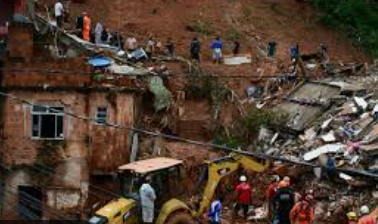
Emergency teams across southern Brazil are racing against time as search-and-rescue operations continue following devastating floods that have left at least 30 people dead and dozens missing.
Torrential rainfall triggered widespread flooding and landslides, sweeping away homes, destroying roads, and displacing thousands of residents in what officials describe as one of the region’s most severe weather disasters in recent years.
Entire Communities Submerged
Authorities say days of relentless rainfall caused rivers to overflow, inundating residential neighborhoods and cutting off entire communities. Rescue workers have been using helicopters, boats, and heavy machinery to reach stranded families trapped on rooftops and in isolated rural areas.
Local emergency agencies reported that infrastructure damage — including collapsed bridges and washed-out highways — has complicated rescue efforts. Power outages and communication disruptions have further hampered coordination.
Thousands of residents have been evacuated to temporary shelters set up in schools and community centers.
Race Against Time
Search operations remain focused on locating individuals reported missing by relatives. Mudslides in hilly areas have buried homes, raising fears that the death toll could rise as debris is cleared.
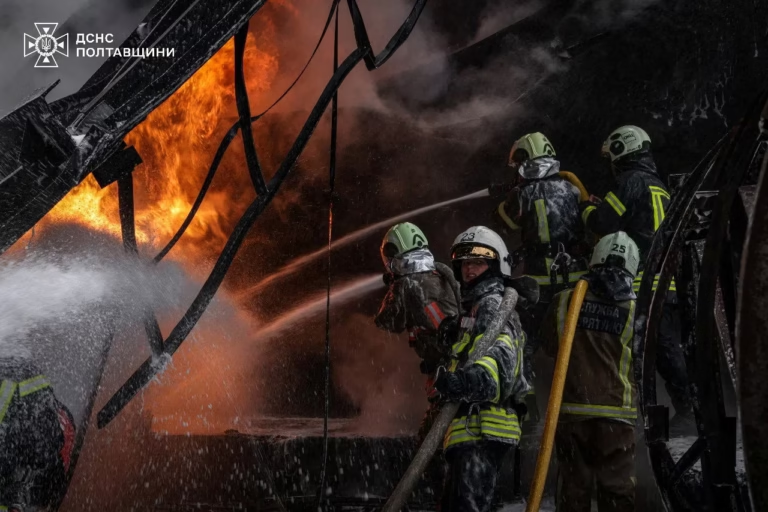
Firefighters and civil defense teams are working around the clock despite hazardous conditions, including unstable terrain and the risk of additional landslides.
Weather forecasters warn that more rainfall could worsen the crisis, prolonging flooding and increasing the danger to rescue personnel.
Climate Concerns
Experts note that extreme weather events in Brazil have become more frequent and intense in recent years, with climate variability contributing to unpredictable rainfall patterns.
Urban planning challenges — including informal settlements built in flood-prone areas — have also amplified the human toll when disasters strike.
Environmental specialists argue that stronger flood management systems and resilient infrastructure are urgently needed to mitigate future risks.
Federal and State Response
Government authorities have pledged emergency funding and logistical support to affected regions. Military personnel have been deployed to assist in evacuation and relief distribution efforts.
Humanitarian aid, including food, water, blankets, and medical supplies, is being distributed to displaced families.
Officials are also assessing long-term recovery needs, including rebuilding homes, restoring roads, and supporting small businesses devastated by the floods.
A Nation in Mourning
As rescue efforts continue, communities across Brazil are mourning the lives lost. Local leaders have called for solidarity and support for families affected by the disaster.
With search teams still combing through debris and swollen riverbanks, the full scale of the tragedy may not yet be known.
For now, the focus remains on saving lives — and preventing further loss as the nation confronts another severe test of resilience in the face of extreme weather.