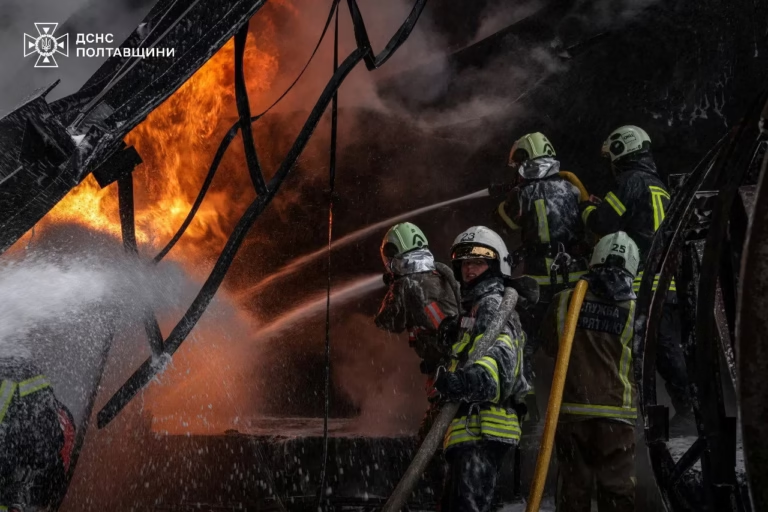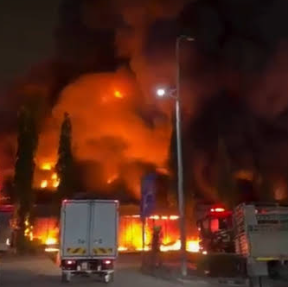
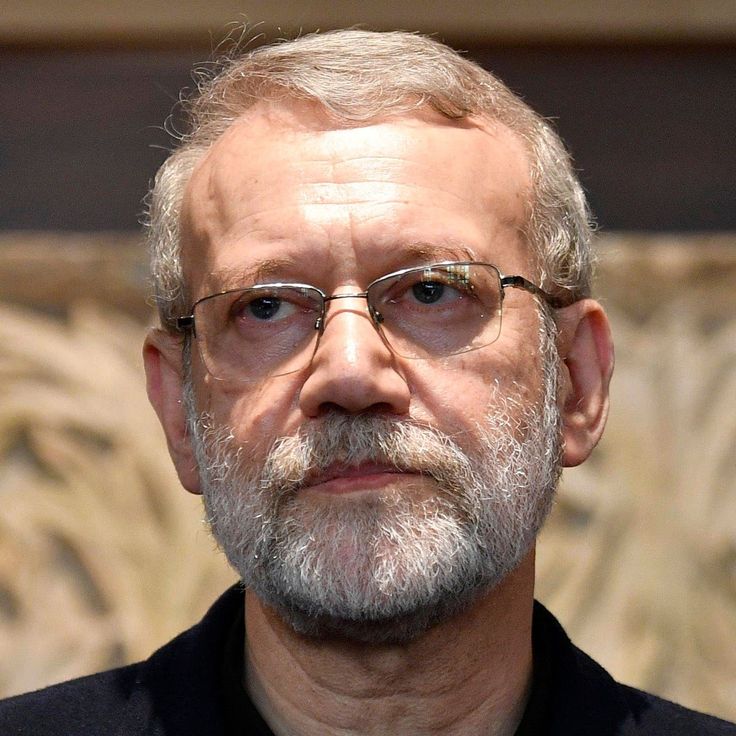
The killing of Ali Larijani in a reported airstrike has sent shockwaves across the Middle East, marking one of the most consequential moments in the ongoing conflict involving Iran and Israel.
Iranian authorities confirmed Larijani’s death, describing it as a targeted strike on a senior figure within the country’s political and security establishment. The attack has been widely attributed to Israel, though official responses remain measured as tensions continue to rise.
Larijani, a veteran politician and influential strategist, held a central role in Iran’s leadership structure. Over the years, he served as parliament speaker, a nuclear negotiator, and a key figure within Iran’s national security framework. In recent months, he was seen by analysts as one of the most powerful figures shaping Iran’s response to the escalating conflict.
His death represents a significant blow to Iran’s political leadership and could have far-reaching implications for the direction of the war. Observers say the loss of such a high-ranking official may disrupt internal coordination while also intensifying calls for retaliation.
The strike underscores a broader pattern of high-level targeting that has increasingly defined the conflict. Analysts warn that such actions risk pushing the region toward deeper instability, especially if they trigger direct and sustained responses from Tehran.
Iranian officials have vowed that the country will respond at a time and manner of its choosing, signaling that the situation could escalate further in the coming days. Meanwhile, global powers have called for restraint, fearing that continued escalation could draw more countries into the conflict.
Beyond its immediate political impact, Larijani’s death also carries symbolic weight. As a long-standing figure in Iran’s political system, his influence extended beyond formal titles, making him a key player in both domestic governance and international negotiations.
As the situation unfolds, the killing of Ali Larijani is likely to be seen as a turning point—one that could reshape the trajectory of the conflict and redefine the balance of power in the region.
For now, the world watches closely, as a fragile geopolitical landscape faces yet another moment of uncertainty.