What Happened
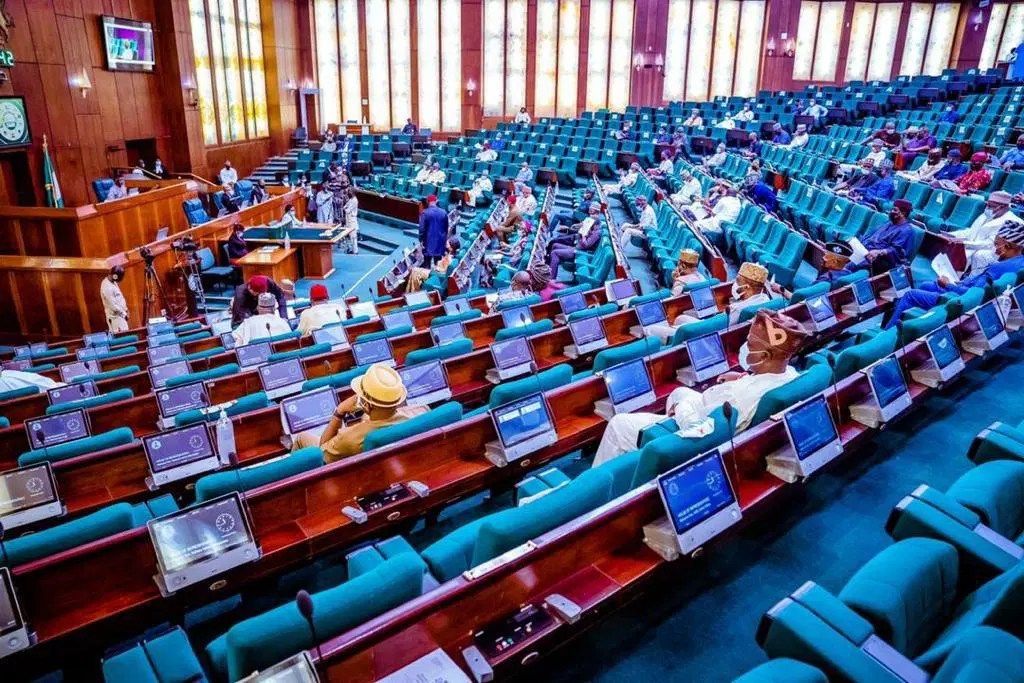
- During the clause-by-clause consideration of the Electoral Act (Amendment) Bill 2025, lawmakers voted against a provision that sought to punish delegates or aspirants who engage in vote-buying.
- The rejected clause (Clause 89(4)) proposed that anyone who financially or materially induces a delegate to influence the outcome of primaries, congresses, or conventions would face two years’ imprisonment without an option of fine.
- The motion was presided over by Deputy Speaker Benjamin Kalu, who called for a voice vote. Lawmakers overwhelmingly opposed the clause, effectively removing criminal sanctions for inducement at party primaries.
Why It Matters
- Vote-buying in primaries: This practice has long been criticized as undermining internal party democracy, with aspirants often offering cash or material benefits to delegates.
- Electoral integrity: By rejecting the clause, critics argue that the House has weakened efforts to curb corruption in the electoral process.
- Political implications: The decision may embolden aspirants to continue inducement practices, raising concerns about fairness and transparency in candidate selection.
Key Reactions
- Civil society groups and electoral reform advocates are expected to condemn the move, arguing that it contradicts Nigeria’s broader fight against electoral malpractice.
- Supporters of the rejection may argue that enforcing such a law would be difficult, given the entrenched nature of inducement in party politics.
Conclusion
The rejection of the proposal highlights the tension between reform and political realities in Nigeria’s electoral system. While the broader Electoral Act amendment passed, the refusal to criminalise vote-buying during primaries leaves a significant loophole in efforts to strengthen democratic processes.
References
TheCable. (2025, December 19). Reps reject proposal to criminalise vote-buying during party primaries. Retrieved from https://www.thecable.ng/reps-reject-proposal-to-criminalise-vote-buying-during-party-primaries/
Guardian Nigeria. (2025, December 19). Reps pass electoral bill 2025, reject clause criminalising vote-buying during primaries. Retrieved from https://guardian.ng/politics/reps-pass-electoral-bill-2025-reject-clause-criminalising-vote-buying-during-primaries/
Would you like me to also draft a short editorial-style commentary that critiques this decision, highlighting its impact on Nigeria’s democracy? That could make your blog post more engaging and opinion-driven.