Trump and Macron Show Tensions as Diplomatic Differences Surface

Table of Content


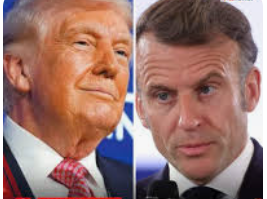
Recent developments have highlighted visible tensions between Donald Trump and Emmanuel Macron, as policy disagreements between the two leaders come into sharper focus.

The differences, which center on strategic approaches to ongoing global issues, underscore the complexities within transatlantic relations at a time of heightened geopolitical pressure. While both leaders remain committed to their national interests, their contrasting positions have occasionally resulted in public friction.

Observers note that such moments are not uncommon in high-level diplomacy, particularly when major powers navigate sensitive matters involving security, economic stability, and international cooperation. However, the tone and visibility of these exchanges have drawn increased global attention.

Despite the tensions, both the United States and France continue to maintain strong institutional ties, with ongoing collaboration across defense, trade, and diplomatic channels.

Analysts suggest that while disagreements may persist, they are part of a broader negotiation process that ultimately shapes policy direction and alliance dynamics.

As global challenges evolve, the ability of key leaders to manage differences while sustaining cooperation will remain critical to maintaining stability among Western allies.



support@paulkizitoblog.com

support@paulkizitoblog.com http://paulkizitoblog.com

Leave a Reply

Your email address will not be published. Required fields are marked *

Recent News

Trending News

Editor's Picks

Trump and Macron Show Tensions as Diplomatic Differences Surface

Recent developments have highlighted visible tensions between Donald Trump and Emmanuel Macron, as policy disagreements between the two leaders come into sharper focus. The differences, which center on strategic approaches to ongoing global issues, underscore the complexities within transatlantic relations at a time of heightened geopolitical pressure. While both leaders remain committed to their national interests, their contrasting positions have occasionally resulted in public friction. Observers note that such moments are not uncommon in high-level diplomacy, particularly when major powers navigate sensitive matters involving security, economic stability, and international cooperation. However, the tone and visibility of these exchanges have drawn increased global attention. Despite the tensions, both the United States and France continue to maintain strong institutional ties, with ongoing collaboration across defense, trade, and diplomatic channels. Analysts suggest that while disagreements may persist, they are part of a broader negotiation process that ultimately shapes policy direction and alliance dynamics. As global challenges evolve, the ability of key leaders to manage differences while sustaining cooperation will remain critical to maintaining stability among Western allies. support@paulkizitoblog.com