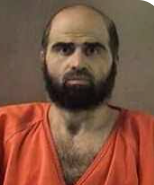
Trump approves firing-squad execution of Fort Hood gunman Nidal Hasan, first U.S. military execution in decades

Table of Content

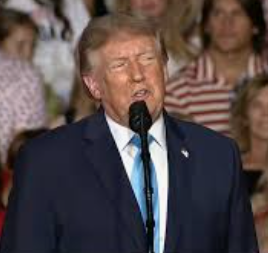
U.S. President Donald Trump has approved the execution by firing squad of Nidal Hasan, the former Army psychiatrist convicted of killing 13 people in a 2009 shooting at Fort Hood, Texas, the Pentagon said.

Chief Pentagon spokesman Sean Parnell announced the decision on Monday evening in a post on social media, saying Defense Secretary Pete Hegseth had recommended the method and the president had signed off. The Army secretary will set the time and place of the execution, he said.

Hasan, a former major, opened fire on fellow soldiers at the base’s Soldier Readiness Center on Nov. 5, 2009, as personnel were preparing to deploy. Thirteen people were killed and more than 30 were wounded. A military jury convicted him and sentenced him to death in 2013. He is held at the U.S. Disciplinary Barracks at Fort Leavenworth, Kansas, and lost his last appeal in April 2025.

The military has not carried out an execution since 1961, when a soldier was hanged for the rape of a child. Hasan’s would be the first execution of a U.S. service member by the military in more than 60 years. The last known military firing-squad execution took place in 1945, according to the Death Penalty Information Center.

Hegseth said in September 2025 that he had asked Trump to approve the execution and called Hasan a terrorist who deserved the harshest lawful punishment. Army Secretary-level recommendations for the execution had already been forwarded for presidential action, a Pentagon official said at the time. Hasan is one of four people on military death row.

Legal experts say the approval starts a series of procedural steps but does not guarantee a swift outcome. An article published in May in the Army Lawyer magazine said Hasan could seek habeas corpus relief in the civilian federal courts, potentially delaying the process for years.

At his trial, Hasan said he acted to stop soldiers from deploying to Afghanistan and killing fellow Muslims, and he mounted almost no defence. His court-appointed lawyers had raised concern that he was seeking his own execution.

The Trump administration added firing squads in April as an approved method of federal execution, alongside gas asphyxiation and electrocution. South Carolina carried out three firing-squad executions last year, the first in the United States since 2010.

The approval comes days after a failed attempt to execute inmate Christa Pike by lethal injection in Tennessee, which led Governor Bill Lee to suspend further executions this year and order an independent review. Asked about the episode, Trump called it an interesting situation and said carrying out lethal injections should not be very difficult. His administration resumed federal executions after an informal pause under previous administrations, and 13 people were put to death at the federal level between 2020 and early 2021.

support@paulkizitoblog.com

support@paulkizitoblog.com http://paulkizitoblog.com

Leave a Reply

Your email address will not be published. Required fields are marked *

Recent News

Trending News

Editor's Picks

Trump approves firing-squad execution of Fort Hood gunman Nidal Hasan, first U.S. military execution in decades

U.S. President Donald Trump has approved the execution by firing squad of Nidal Hasan, the former Army psychiatrist convicted of killing 13 people in a 2009 shooting at Fort Hood, Texas, the Pentagon said. Chief Pentagon spokesman Sean Parnell announced the decision on Monday evening in a post on social media, saying Defense Secretary Pete Hegseth had recommended the method and the president had signed off. The Army secretary will set the time and place of the execution, he said. Hasan, a former major, opened fire on fellow soldiers at the base’s Soldier Readiness Center on Nov. 5, 2009, as personnel were preparing to deploy. Thirteen people were killed and more than 30 were wounded. A military jury convicted him and sentenced him to death in 2013. He is held at the U.S. Disciplinary Barracks at Fort Leavenworth, Kansas, and lost his last appeal in April 2025. The military has not carried out an execution since 1961, when a soldier was hanged for the rape of a child. Hasan’s would be the first execution of a U.S. service member by the military in more than 60 years. The last known military firing-squad execution took place in 1945, according to the Death Penalty Information Center. Hegseth said in September 2025 that he had asked Trump to approve the execution and called Hasan a terrorist who deserved the harshest lawful punishment. Army Secretary-level recommendations for the execution had already been forwarded for presidential action, a Pentagon official said at the time. Hasan is one of four people on military death row. Legal experts say the approval starts a series of procedural steps but does not guarantee a swift outcome. An article published in May in the Army Lawyer magazine said Hasan could seek habeas corpus relief in the civilian federal courts, potentially delaying the process for years. At his trial, Hasan said he acted to stop soldiers from deploying to Afghanistan and killing fellow Muslims, and he mounted almost no defence. His court-appointed lawyers had raised concern that he was seeking his own execution. The Trump administration added firing squads in April as an approved method of federal execution, alongside gas asphyxiation and electrocution. South Carolina carried out three firing-squad executions last year, the first in the United States since 2010. The approval comes days after a failed attempt to execute inmate Christa Pike by lethal injection in Tennessee, which led Governor Bill Lee to suspend further executions this year and order an independent review. Asked about the episode, Trump called it an interesting situation and said carrying out lethal injections should not be very difficult. His administration resumed federal executions after an informal pause under previous administrations, and 13 people were put to death at the federal level between 2020 and early 2021. support@paulkizitoblog.com

U.S. lobbying firm sues Nigeria’s Tinubu, government, Fani-Kayode and DCI Group for $57 million

A Washington-based lobbying firm retained by Nigerian opposition figure Atiku Abubakar has filed a $57 million lawsuit in a U.S. federal court against President Bola Tinubu, the Nigerian government, envoy Femi Fani-Kayode and U.S. consultancy DCI Group, alleging defamation and a conspiracy to kidnap and harm its founder, the firm said. support@paulkizitoblog.com