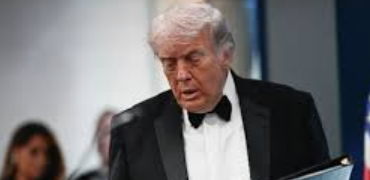
Back home now, the diplomat heads to Islamabad while President Trump suggests Tehran reach out by call should they wish a conversation
Trump suggested Iran might just call up the U.S. to talk things through. Meanwhile, Islamabad saw the return of Iran’s lead envoy, stepping back into discussions meant to calm rising friction between nations. Tensions had been building quietly before these meetings restarted on a Saturday morning.
If talking is what they prefer, we’re ready to answer the phone, Trump stated – channels stay open, yet demands tied to Tehran’s atomic work stand firm.
U.S. officials scrapped a scheduled visit to Islamabad. Instead, they turned to backchannel talks without warning. Plans changed fast, leaving little trace.
Iran’s foreign minister showed up in Pakistan – Abbas Araqchi stepping off a plane midweek. His visit ties into broader moves across the region, quiet talks passed between governments like notes in a classroom. Instead of waiting for signals, he pushed forward, aiming to restart dialogue with Washington that had gone silent weeks earlier. Movement on the ground shifted while others hesitated, diplomatic threads pulled gently back toward conversation.
Fresh talks have picked up speed lately – yet stubborn gaps linger on atomic limits along with wider safety issues, so any real progress stays out of reach. A shift might come soon, though nothing solid shows yet.