U.S. Defense Secretary Requests Army Chief to Step Aside Amid Iran Conflict

Table of Content


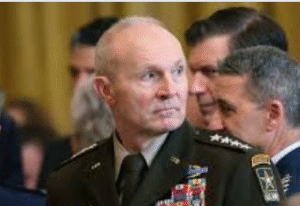
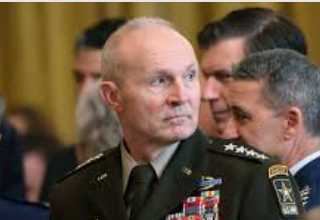
Pete Hegseth has asked the U.S. Army’s top uniformed officer to step down, in a move that comes as the United States continues active military operations against Iran.

The decision marks a significant shift within the military’s senior leadership at a time of heightened operational intensity. While officials have not publicly detailed the reasons behind the request, such changes during an ongoing conflict are relatively uncommon and have drawn close attention from defense analysts.

The Army Chief of Staff plays a central role in overseeing force readiness, strategic planning, and coordination of ground operations. Any transition at that level, particularly during a period of active engagement, can have implications for continuity and command dynamics.

Observers suggest the move may reflect broader internal adjustments within the Pentagon as leadership seeks to align military strategy with evolving objectives on the ground. Others caution that leadership changes during wartime must be carefully managed to avoid disruption to ongoing operations.

Despite the shift, U.S. military operations are expected to continue without interruption, with structures in place to ensure stability in command and execution.

As the situation develops, attention will remain on how the leadership transition shapes operational strategy and the broader trajectory of the conflict.



support@paulkizitoblog.com

support@paulkizitoblog.com http://paulkizitoblog.com

Leave a Reply

Your email address will not be published. Required fields are marked *

Recent News

Trending News

Editor's Picks

U.S. Defense Secretary Requests Army Chief to Step Aside Amid Iran Conflict

Pete Hegseth has asked the U.S. Army’s top uniformed officer to step down, in a move that comes as the United States continues active military operations against Iran. The decision marks a significant shift within the military’s senior leadership at a time of heightened operational intensity. While officials have not publicly detailed the reasons behind the request, such changes during an ongoing conflict are relatively uncommon and have drawn close attention from defense analysts. The Army Chief of Staff plays a central role in overseeing force readiness, strategic planning, and coordination of ground operations. Any transition at that level, particularly during a period of active engagement, can have implications for continuity and command dynamics. Observers suggest the move may reflect broader internal adjustments within the Pentagon as leadership seeks to align military strategy with evolving objectives on the ground. Others caution that leadership changes during wartime must be carefully managed to avoid disruption to ongoing operations. Despite the shift, U.S. military operations are expected to continue without interruption, with structures in place to ensure stability in command and execution. As the situation develops, attention will remain on how the leadership transition shapes operational strategy and the broader trajectory of the conflict. support@paulkizitoblog.com