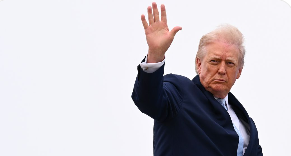
In a notable shift in escalating Middle East tensions, President Donald Trump announced that the United States will delay planned military strikes on Iranian power infrastructure for five days, citing what he described as “productive” discussions aimed at de-escalation.
According to President Trump, recent engagements between U.S. officials and representatives linked to Iran have yielded “major points of agreement,” raising cautious optimism about the possibility of a diplomatic resolution. The temporary suspension of military action appears to be a strategic pause intended to allow further negotiations to unfold.
However, Iranian authorities have firmly rejected these claims. Officials in Tehran deny that any direct talks have taken place with the United States, describing the assertions as inaccurate. This divergence in narratives underscores the complexity of the situation and highlights the role of indirect or backchannel diplomacy, which may be occurring through regional intermediaries.
Despite the conflicting statements, global markets responded positively to the announcement. Oil prices declined while equity markets saw gains, reflecting investor optimism that a broader regional conflict might be averted—at least in the short term.
The five-day delay introduces a critical diplomatic window. Should meaningful progress be achieved, it could mark the beginning of a broader de-escalation process. Conversely, failure to advance talks may result in a rapid return to military considerations, with potentially significant consequences for regional stability and global economic conditions.
As developments continue to unfold, the international community remains focused on whether this pause represents a genuine opening for diplomacy or merely a brief interlude in an increasingly volatile geopolitical landscape.