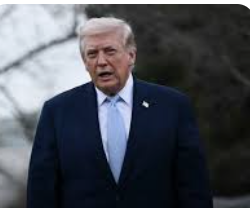
U.S. President Donald Trump has stepped back from imminent military action against Iran’s power infrastructure, opting instead for a temporary pause that may open the door to renewed diplomacy.
The decision follows days of heightened tension, during which Washington had warned of targeted strikes on Iranian energy facilities in response to escalating hostilities and disruptions in the Strait of Hormuz—a critical artery for global oil shipments. The planned strikes had raised fears of a wider regional conflict with potentially severe consequences for energy markets and international security.
In announcing the pause, Trump cited “productive” engagements aimed at reducing tensions, suggesting that diplomatic channels—whether direct or indirect—are gaining traction. The move represents a strategic recalibration, balancing deterrence with the opportunity to de-escalate a rapidly intensifying crisis.
Iranian officials, however, have publicly downplayed the significance of the development, portraying the U.S. decision as a retreat under pressure rather than a mutual step toward dialogue. The contrasting narratives underscore the deep mistrust that continues to define relations between the two countries.
The global response has been immediate. Oil prices, which had surged amid fears of supply disruptions, eased following the announcement, while financial markets showed cautious optimism. Analysts note that even a short-term pause in hostilities can have a stabilizing effect on markets, though uncertainty remains high.
Beyond market reactions, the episode highlights a broader geopolitical reality: the Middle East remains a flashpoint where military escalation can quickly ripple across the global economy. Energy security, trade routes, and regional alliances all hang in the balance.
For now, the pause offers a narrow but critical window for diplomacy. Whether it leads to a lasting de-escalation or merely delays further confrontation will depend on the willingness of both Washington and Tehran to move beyond rhetoric and engage in meaningful negotiations.
As the situation evolves, the world watches closely—aware that decisions made in the coming days could shape not only regional stability but also the trajectory of global economic and political dynamics.