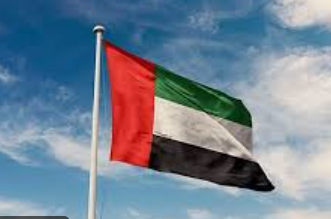
The United Arab Emirates has summoned Iran’s ambassador in Abu Dhabi following recent missile and drone attacks linked to Tehran, signaling rising diplomatic tensions as the Middle East faces one of its most volatile security crises in years.
The move comes after Iranian retaliatory strikes targeted multiple locations across the Gulf region amid escalating military confrontation involving Iran, the United States, and Israel.
Diplomatic Protest Lodged
The UAE Ministry of Foreign Affairs confirmed that Iran’s ambassador was formally summoned to receive an official protest note condemning the attacks, which Emirati authorities described as a violation of national sovereignty and a threat to civilian safety.
Officials warned that targeting or endangering civilian infrastructure — including aviation and commercial facilities — represents a serious breach of international law.
The diplomatic summons is considered one of the strongest non-military responses available under international protocol and reflects growing regional alarm over the expanding conflict.
Missile Strikes Raise Security Concerns
The protest follows missile interceptions and aerial defense activations across parts of the UAE after Iranian strikes aimed at U.S.-linked military assets in the Gulf.
While Iranian officials said their operations targeted strategic military objectives, debris from intercepted projectiles reportedly caused damage in civilian areas, intensifying concern among Gulf states about spillover risks.
Authorities temporarily heightened national security measures and reviewed airspace safety protocols following the incident.
Regional Fallout
The diplomatic escalation highlights the widening regional consequences of the ongoing confrontation.
Several Gulf nations have increased military readiness, while international airlines adjusted flight routes to avoid high-risk airspace corridors. Analysts warn that continued exchanges could threaten critical economic and energy infrastructure across the region.
The UAE, traditionally positioned as both a regional economic hub and diplomatic mediator, has urged restraint while emphasizing its commitment to protecting national security.
International Calls for De-Escalation
Global leaders and international organizations have called for immediate dialogue to prevent further escalation. Diplomatic channels remain active as world powers attempt to contain the crisis and avoid a broader regional war.
Security experts caution that diplomatic tensions between Gulf states and Iran could further complicate already fragile regional stability.
What Comes Next?
The UAE’s decision to summon Iran’s ambassador signals increasing diplomatic pressure on Tehran while stopping short of severing relations.
Observers say future developments will depend on whether military exchanges continue or diplomatic efforts succeed in reducing tensions.
As the crisis unfolds, governments across the Middle East remain on heightened alert, with global markets and international security institutions closely monitoring events.