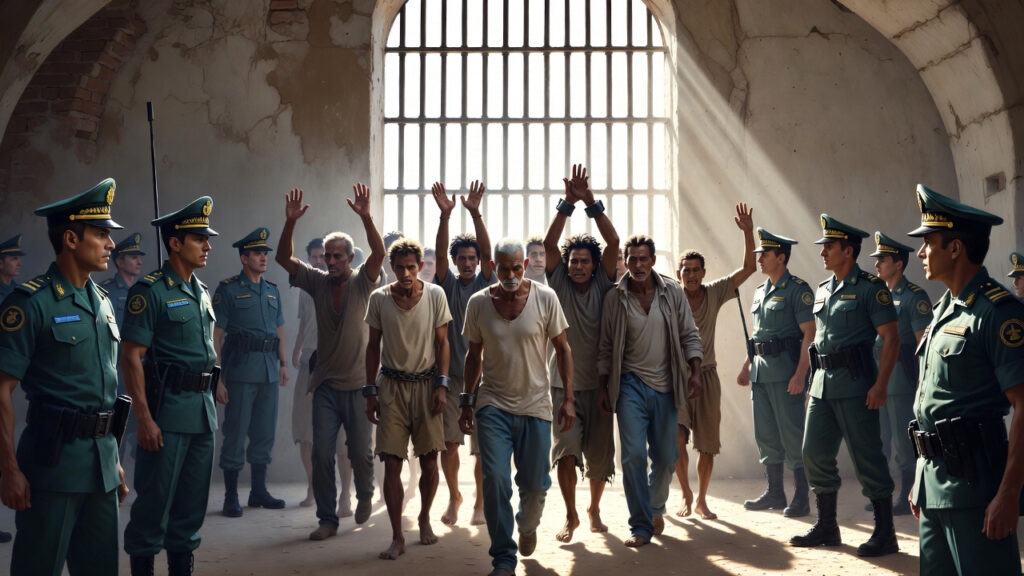
Venezuela has begun freeing the majority of people held for political reasons, a move that could signal a turning point after years of domestic unrest and international criticism. The releases, carried out over recent weeks, have brought relief to families while also raising fresh questions about the country’s political future.
For many detainees, imprisonment followed protests, opposition activity, or public criticism of the government. Their detention had long been cited by human rights groups as evidence of shrinking political space in the country.
A Significant — But Incomplete — Release
Authorities say hundreds of prisoners have been released, dramatically reducing the number of people officially classified as political detainees. Some of those freed include activists, opposition supporters, and individuals arrested during post-election demonstrations.
However, the releases do not mean the issue has been fully resolved. Independent groups note that a number of political prisoners remain behind bars, and many of those freed continue to face legal restrictions that limit their movement or political activity.
Life After Prison Is Still Restricted
While leaving prison marks a major milestone, freedom for many former detainees comes with conditions. Some remain under court supervision, are required to report regularly to authorities, or are barred from speaking publicly or leaving the country. Critics argue this creates a form of “conditional freedom” that still discourages political dissent.
Families of former prisoners have welcomed the releases but say uncertainty remains, especially for those whose charges have not been fully dropped.
International Pressure and Political Calculations
The releases come amid sustained pressure from foreign governments, international organizations, and human rights advocates calling on Venezuela to improve its human rights record. Improving relations with the global community — particularly amid economic challenges and sanctions — may have played a role in the decision.
At the same time, analysts caution that political prisoner releases have occurred before during moments of negotiation or diplomatic engagement, only to stall later.
A Step Forward, With Limits
For supporters of political reform, the releases represent progress — proof that sustained pressure can yield results. But they also stress that true change will require more than freeing detainees. Judicial independence, free political participation, and guarantees against future arbitrary arrests remain unresolved issues.
Until all political prisoners are released without conditions, and safeguards are put in place to prevent new arrests, many observers say Venezuela’s human rights situation remains fragile.
What Comes Next
Whether this move marks the beginning of a broader political opening or a temporary gesture remains to be seen. For now, hundreds of families are reunited — a powerful reminder of what is at stake as Venezuela navigates its next chapter.