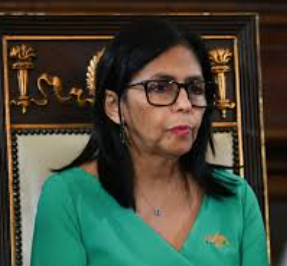
Caracas — Venezuela’s acting president, Delcy Rodríguez, has pledged to continue releasing prisoners detained during the administration of former President Nicolás Maduro, signaling what her interim government describes as a shift toward political de-escalation and reconciliation.
Speaking to supporters and government officials this week, Rodríguez said the process of freeing detainees would continue in phases, emphasizing that her administration remains committed to reviewing cases linked to political unrest and security operations under the previous government. She did not provide a timeline or specify how many additional prisoners could be released.
The ongoing releases include political activists, journalists, and other individuals detained during years of crackdowns on dissent. Families of detainees have welcomed the move, though many have called for greater transparency and a faster pace, saying hundreds remain behind bars.
Rodríguez, who assumed the role of acting president following Maduro’s removal from office, described the prisoner releases as part of a broader effort to reduce political tensions and restore public trust in state institutions. She said the interim government was working to ensure legal reviews are conducted “with responsibility and balance.”
Human rights groups have cautiously welcomed the releases while urging authorities to guarantee due process and ensure that future detentions do not follow the same patterns of political repression. Some activists argue that freeing prisoners must be accompanied by judicial reforms to prevent renewed abuses.
Opposition leaders have expressed mixed reactions, acknowledging the significance of the releases but warning that symbolic gestures alone will not address Venezuela’s deep political and economic crisis. They have called for a clear roadmap toward democratic reforms and internationally monitored elections.
The developments come as Venezuela faces intense international scrutiny and economic strain, with foreign governments closely watching whether the interim leadership will pursue lasting reforms or limit changes to selective measures.
Rodríguez said her government would continue engaging with domestic and international stakeholders as it moves forward with the release process, adding that national stability and reconciliation remain central goals.
For many Venezuelans, the continued release of prisoners is seen as an early test of whether the country’s political transition will bring meaningful change or fall short of expectations.