In a striking demonstration of military partnership and aerial capability, U.S. strategic bombers joined Japanese fighter aircraft in a major flyover and coordinated aerial display near Japan, signaling deepening defense cooperation between Tokyo and Washington in the face of growing regional tensions.
This event — resembling a military “air show” of strategic deterrence — comes against the backdrop of rising military activity by China and Russia in the region, highlighting how airpower diplomacy has become an increasingly visible part of geopolitics in Southeast and Northeast Asia.
✈️ What Happened: U.S. Bombers Fly with Japan’s Air Force
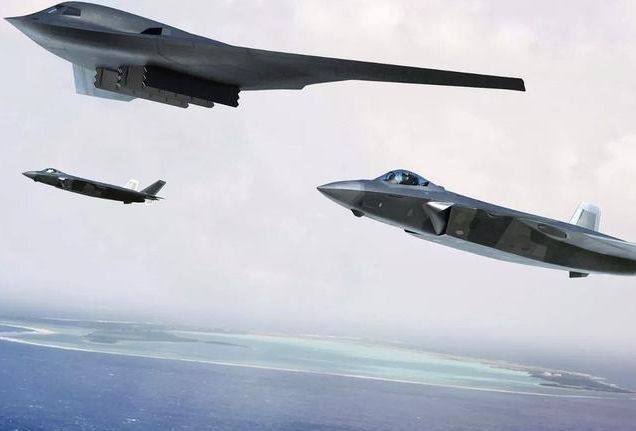
On December 10, 2025, the Japan Self‑Defense Force (JASDF) and the U.S. military conducted a coordinated aerial mission over the Sea of Japan and adjacent waters, featuring a formation of U.S. strategic bombers flying alongside Japanese F‑35 and F‑15 fighter jets.
Although not a traditional civilian air show, the scale and visibility of the mission — involving strategic bomber aircraft and state‑of‑the‑art jet fighters — had the effect of a high‑profile aerial display of military readiness. The event reinforced the unity of the U.S.–Japan alliance and demonstrated combined airpower capabilities to both regional partners and potential adversaries.
🛫 Who Participated in the Mission
The joint mission included:
- U.S. strategic bombers (B‑52 Stratofortress) — long‑range strategic aircraft capable of conventional and nuclear missions.
- Japanese Air Self‑Defense Force (JASDF) fighters — including F‑35 stealth fighters and F‑15 air superiority aircraft.
These aircraft flew in coordinated formations over international waters, practicing interoperability and showcasing alliance air combat integration.
🧠 Why This Matters
1. Show of Alliance Strength
The joint bomber flight was not just training — it was a strategic statement. Tokyo’s defense ministry described the mission as reaffirming the United States’ commitment to Japan’s security and regional stability, especially in the face of military pressure from China and Russia.
By integrating U.S. bombers with Japanese fighters, the exercise underscores that the alliance is prepared to respond cohesively to threats and maintain freedom of navigation in Asia’s contested airspace.
2. Context of Rising Regional Tensions
Just days before the joint flight, Russian and Chinese strategic bombers conducted a coordinated patrol near Japan, prompting Japan and South Korea to scramble jets and monitor the activity. These long‑range patrols were widely interpreted as demonstrations of strength on the part of Beijing and Moscow — actions that Tokyo called a “show of force.”
The U.S.–Japan bomber mission followed directly, serving as a counter‑message that alliance cooperation remains robust.
3. Strategic Significance Beyond a “Show”
Unlike typical air shows aimed at the public, this display had real geopolitical resonance. It highlighted:
- U.S. nuclear and conventional strike capabilities in the Indo‑Pacific,
- Japan’s role as a key security partner,
- Alliance cohesion amid great power rivalry.
📊 Bombers & Modern Airpower: A Quick Primer
Although B‑52 bombers were featured in this latest mission — not the next‑generation B‑21 Raider — it’s worth noting that the U.S. Air Force’s new stealth bomber program remains central to America’s future strategic deterrence posture.
- The B‑21 Raider is being developed to eventually complement and then replace older bombers with a stealthier, longer‑reach platform.
However, as of late 2025, the B‑21 fleet is still under development and early production, with operational deliveries expected around 2026.
While the B‑21 has not yet publicly participated in such international joint flights or air displays, its growing role will likely shape future Indo‑Pacific defense events and alliance messaging.
🌏 What This Means for Southeast Asia and Beyond
This high‑visibility aerial operation is relevant not just for Japan and the U.S. — but for nations across Southeast Asia, the Pacific, and beyond:
- It reassures U.S. allies concerned about regional security.
- It signals deterrence to nations considering unilateral force to alter the status quo.
- It strengthens interoperability among partner air forces through practice and joint mission experience.
In an era where airpower plays a critical role in geopolitical signaling, missions like this serve dual roles: training for combat readiness and demonstration for diplomatic messaging.
📰 References
- Reuters: Coverage of U.S. bombers flying with Japanese fighters in a coordinated show of force after Chinese and Russian drills. Reuters
- AP News: Reporting on the joint U.S.–Japan military flight drills as tensions with China escalate. AP News
- Defense News / ArmyRecognition: Details on the composition of bomber formations and joint cooperation demonstrations. Army Recognition
- Northrop Grumman & U.S. Air Force Fact Sheets: Background info on the B‑21 Raider’s development and role as the future backbone of U.S. strategic bomber forces. af.mil