
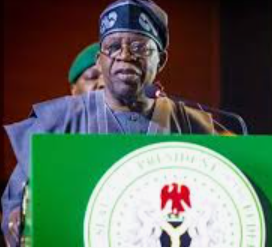
The Federal Government of Nigeria, under President Bola Ahmed Tinubu, has unveiled a $552 million
education reform programme aimed at revitalising the country’s basic education system. The initiative, known as the Human Capital Opportunities for Prosperity and Equality – Quality Basic Education for All (HOPE-EDU), is positioned as a cornerstone of the administration’s broader human capital development strategy.
HOPE-EDU is designed to address long-standing structural weaknesses in Nigeria’s public primary education sector, including poor learning outcomes, inadequate infrastructure, weak accountability systems, and uneven funding distribution across states.
The programme is expected to directly impact more than 29 million pupils enrolled in public primary schools, approximately 500,000 teachers, and over 65,000 schools nationwide. By targeting both access and quality, the initiative seeks to improve literacy and numeracy outcomes while strengthening governance at the school level.
A major component of the reform focuses on performance-based financing. Under this model, federal disbursements will be tied to measurable improvements in learning results, teacher development, and school management standards. This approach is intended to ensure transparency, accountability, and value for money.
The $552 million financing package includes support from international development partners and is structured to strengthen systems rather than fund short-term interventions. Emphasis will be placed on teacher training, curriculum implementation, data monitoring, and improved allocation of resources to underserved communities.
Education stakeholders describe the initiative as one of the most ambitious basic education reforms in recent years. By linking funding to outcomes and reinforcing institutional capacity, the government aims to shift from fragmented interventions to a coordinated national strategy.
The unveiling of HOPE-EDU signals a renewed focus on foundational learning as a driver of long-term economic growth, social stability, and national competitiveness. If effectively implemented, the programme could mark a significant turning point in Nigeria’s effort to rebuild trust in public education and expand opportunity for millions of children.