🕊️ Former Algerian President Liamine Zéroual Dies at 85

Table of Content

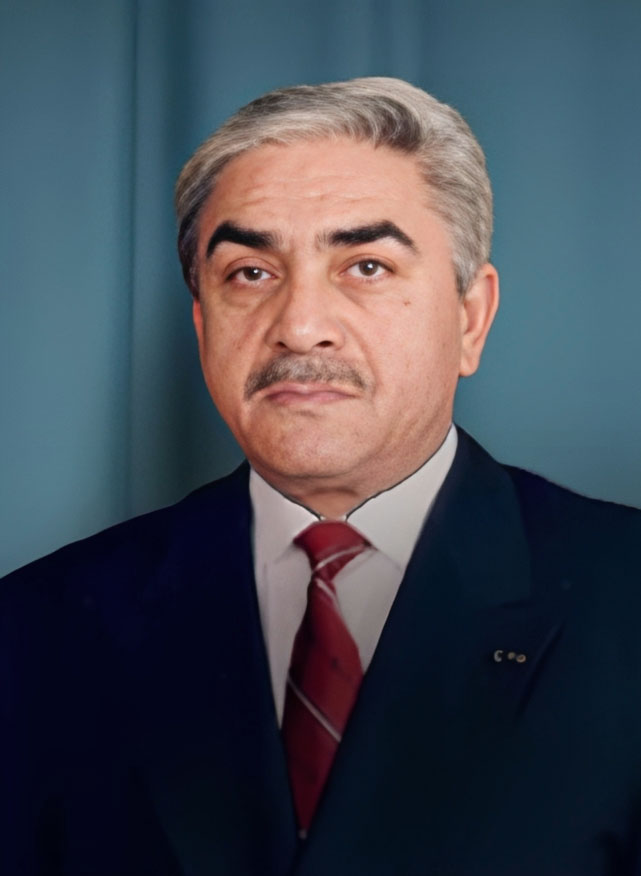
Former Algerian head of state, Liamine Zéroual, has died at the age of 85, closing a defining chapter in the modern political history of Algeria.

Zéroual, a former army general who rose to the presidency in 1994, led the country during one of its most turbulent periods—the violent civil conflict of the 1990s. His tenure was marked by efforts to stabilize the nation and initiate dialogue aimed at ending years of bloodshed.

Elected president in 1995, he pursued policies focused on national reconciliation, seeking to balance security measures with political outreach. In a rare move among regional leaders, Zéroual voluntarily stepped down from office in 1999, paving the way for a political transition.

Widely regarded as a reserved yet principled leader, his legacy remains tied to his attempts to restore stability during a time of deep national crisis.

His death is expected to prompt reflections across the region on leadership, conflict resolution, and the enduring challenges of governance in times of unrest.

support@paulkizitoblog.com

support@paulkizitoblog.com http://paulkizitoblog.com

Leave a Reply

Your email address will not be published. Required fields are marked *

Recent News

Trending News

Editor's Picks

🕊️ Former Algerian President Liamine Zéroual Dies at 85

Former Algerian head of state, Liamine Zéroual, has died at the age of 85, closing a defining chapter in the modern political history of Algeria. Zéroual, a former army general who rose to the presidency in 1994, led the country during one of its most turbulent periods—the violent civil conflict of the 1990s. His tenure was marked by efforts to stabilize the nation and initiate dialogue aimed at ending years of bloodshed. Elected president in 1995, he pursued policies focused on national reconciliation, seeking to balance security measures with political outreach. In a rare move among regional leaders, Zéroual voluntarily stepped down from office in 1999, paving the way for a political transition. Widely regarded as a reserved yet principled leader, his legacy remains tied to his attempts to restore stability during a time of deep national crisis. His death is expected to prompt reflections across the region on leadership, conflict resolution, and the enduring challenges of governance in times of unrest. support@paulkizitoblog.com