Pakistan prepares to boost military funding by roughly 100 billion rupees during 2026–27. This move
comes through a financial overhaul supported by the International Monetary Fund. Details emerged in a document issued by IMF personnel over the weekend. The amount equals around $359 million. Plans tie directly into broader economic adjustments guided by the fund.
Pakistan’s military spending is expected to climb to 2.665 trillion rupees, up from 2.564 trillion in the present financial year, according to the findings. While last year saw a certain level of allocation, this new figure marks a step higher, as detailed in the document.
Outcomes came after finishing the third look at Pakistan’s 7-billion-dollar support plan. Then followed another check on its 1.4-billion-dollar resilience effort. Money became available once decisions were confirmed early in the month. A total of 1.32 billion dollars now moves forward.
A rise in defence outlays unfolds while an IMF team stays in Islamabad, working through fiscal plans before the cabinet submits its official budget to lawmakers next month.
Even though the IMF pushes for tighter budgets, Pakistan plans bigger defence spending while chasing tough income goals through reforms. Higher taxes help fuel that effort – especially a steeper petroleum charge growing by 18%. Next year, federal receipts should hit 17.144 trillion rupees, up 13.5%, according to fund estimates. New tax policies back this climb, blending into broader economic adjustments.
By June 2027, every government payment across federal and provincial levels must be fully digital – this was one condition Pakistan accepted for the newest round of financial support. Hitting that target came alongside another demand: ten agencies hit hardest by corruption face official reviews before December closes out. Though the money is now pending, meeting these points became part of the deal struck with lenders earlier this year.
Later on, the IMF noted Pakistan made a commitment to stop rolling out fresh perks for special economic zones. Instead of adding more, it will wind down current benefits slowly, finishing around 2035. This shift aims to balance how businesses compete across the economy.
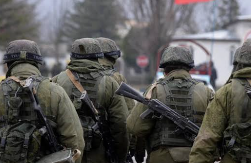
Now worries about safety in the area are growing. Pakistan keeps updating its armed forces. Missiles are being developed. Equipment arrives through deals with countries like China and Türkiye. More money flows into defence as a result.