A top ISIS leader, Abu-Bilal al-Minuki, is dead – taken out by American and Nigerian troops working
together somewhere on African soil. The strike happened during a shared mission aimed squarely at high-level extremists. News broke late Friday when President Donald Trump confirmed the outcome himself. Al-Minuki held the rank of number two within the terrorist network worldwide. This coordinated effort marks a rare direct hit against the group’s central command structure.
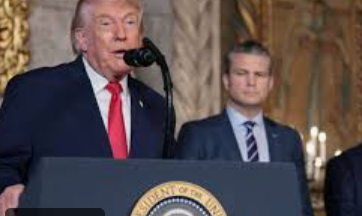
Calling al-Minuki the most dangerous extremist alive, Trump posted on Truth Social that U.S. troops worked with Nigerian military units to carry out the strike. The effort unfolded through careful coordination, he noted, calling it an unusually intricate operation shaped by long preparation.
“Abu-Bilal al-Minuki, second in command of ISIS globally, thought he could hide in Africa, but little did he know we had sources who kept us informed on what he was doing,” Trump wrote, adding that with his removal, “ISIS’s global operation is greatly diminished.”
Out of view, the American leader kept details hidden – where exactly, what kind of force. Still, praise went to Nigeria’s leaders for walking alongside.
A man named Al-Minuki, born in Nigeria, earned the label of “specially designated global terrorist” from the U.S. government back in 2023. That year, officials at the State Department called him a top-level figure linked to Islamic State’s central command structure across the Sahel region – overseeing support like strategy tips and money flows sent to far-flung outposts.
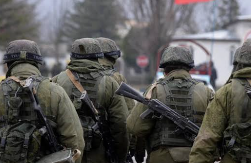
Out of nowhere, checkpoints began appearing more often across the area. Early in the year, American soldiers started arriving in northern Nigeria, bringing drones along. Instead of staying behind desks, they moved into shared operations with regional units. Training sessions popped up near patrol bases, led by visiting personnel. Intelligence flowed both ways once communication lines opened. Support included gear upgrades, plus guidance on using new systems. Fighters on the ground now had access to real-time updates during missions. All of it targets militant cells connected to ISWAP. Some efforts also aim at factions linked to al Qaeda networks.
So far, Nigeria’s officials haven’t said anything public about how the mission went. Details remain unconfirmed by those in charge.