VeryDarkMan Leads Abuja Protest as Nigerians Take to the Streets on Democracy Day

Table of Content

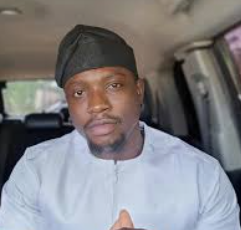
Popular social media activist Martins Vincent Otse, better known as VeryDarkMan, was among those at

the forefront of protests in Abuja on Thursday as Nigerians used Democracy Day to express mounting anger over insecurity, economic hardship, and governance failures under President Bola Tinubu.

Demonstrators converged on Eagle Square in the heart of the capital from early morning, under the banner of the Take It Back Movement, which had coordinated simultaneous rallies across at least 20 states nationwide. Security forces were deployed heavily across the Federal Capital Territory well before dawn, erecting barricades along key routes leading to government facilities and enforcing traffic diversions around the city centre.

Why VeryDarkMan Is at the Centre of It

In the days leading up to Thursday’s protests, Otse had been vocal and visible on the streets of Abuja, drawing attention to the wave of kidnappings and violent attacks ravaging communities across the country. His profile ensured that his participation amplified the movement’s reach significantly, particularly among younger Nigerians who follow him closely on social media.

His involvement also drew controversy. An Arewa youth leader publicly warned him to stay away from any demonstration carrying anti-government messaging in Abuja or any northern state — a statement that backfired, sparking broad criticism from Nigerians who viewed it as an attempt to suppress constitutionally protected rights.

The Grievances Driving the Protests

The Take It Back Movement, coordinated nationally by Juwon Sanyaolu, framed the demonstrations around three core concerns: a security crisis that has left communities across states including Oyo, Kwara, Borno, and Ekiti exposed to abductions and armed attacks; an economic environment that has pushed millions deeper into poverty; and what the group characterises as a shrinking space for civic expression and democratic dissent under the current administration.

The movement argued that government institutions have repeatedly failed to respond adequately to these challenges, leaving ordinary Nigerians with no recourse but to take their frustrations to the streets.

Why June 12

The choice of date was deliberate. June 12 is Nigeria’s Democracy Day, a date carrying enormous emotional weight — it marks the anniversary of the 1993 presidential election widely believed to have been won by Moshood Abiola, before the military annulled the result and plunged the country into years of political crisis. Protesters invoked that history to sharpen their message: that democracy, hard won, must not be squandered by those in power.

Security on the Ground

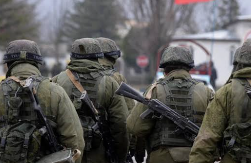
Armed police, soldiers, and other security personnel fanned out across Abuja, with particular concentration around the Presidential Villa at Aso Rock. Stop-and-search operations were conducted along major roads as authorities sought to monitor the demonstrations without triggering a violent confrontation — mindful of the deaths and arrests that accompanied earlier protest cycles in Nigeria in recent years.

As of Thursday, the protests remained largely peaceful in Abuja, though the day was far from over.

support@paulkizitoblog.com

support@paulkizitoblog.com http://paulkizitoblog.com

Leave a Reply

Your email address will not be published. Required fields are marked *

Recent News

Trending News

Editor's Picks

VeryDarkMan Leads Abuja Protest as Nigerians Take to the Streets on Democracy Day

Popular social media activist Martins Vincent Otse, better known as VeryDarkMan, was among those at the forefront of protests in Abuja on Thursday as Nigerians used Democracy Day to express mounting anger over insecurity, economic hardship, and governance failures under President Bola Tinubu. Demonstrators converged on Eagle Square in the heart of the capital from early morning, under the banner of the Take It Back Movement, which had coordinated simultaneous rallies across at least 20 states nationwide. Security forces were deployed heavily across the Federal Capital Territory well before dawn, erecting barricades along key routes leading to government facilities and enforcing traffic diversions around the city centre. Why VeryDarkMan Is at the Centre of It In the days leading up to Thursday’s protests, Otse had been vocal and visible on the streets of Abuja, drawing attention to the wave of kidnappings and violent attacks ravaging communities across the country. His profile ensured that his participation amplified the movement’s reach significantly, particularly among younger Nigerians who follow him closely on social media. His involvement also drew controversy. An Arewa youth leader publicly warned him to stay away from any demonstration carrying anti-government messaging in Abuja or any northern state — a statement that backfired, sparking broad criticism from Nigerians who viewed it as an attempt to suppress constitutionally protected rights. The Grievances Driving the Protests The Take It Back Movement, coordinated nationally by Juwon Sanyaolu, framed the demonstrations around three core concerns: a security crisis that has left communities across states including Oyo, Kwara, Borno, and Ekiti exposed to abductions and armed attacks; an economic environment that has pushed millions deeper into poverty; and what the group characterises as a shrinking space for civic expression and democratic dissent under the current administration. The movement argued that government institutions have repeatedly failed to respond adequately to these challenges, leaving ordinary Nigerians with no recourse but to take their frustrations to the streets. Why June 12 The choice of date was deliberate. June 12 is Nigeria’s Democracy Day, a date carrying enormous emotional weight — it marks the anniversary of the 1993 presidential election widely believed to have been won by Moshood Abiola, before the military annulled the result and plunged the country into years of political crisis. Protesters invoked that history to sharpen their message: that democracy, hard won, must not be squandered by those in power. Security on the Ground Armed police, soldiers, and other security personnel fanned out across Abuja, with particular concentration around the Presidential Villa at Aso Rock. Stop-and-search operations were conducted along major roads as authorities sought to monitor the demonstrations without triggering a violent confrontation — mindful of the deaths and arrests that accompanied earlier protest cycles in Nigeria in recent years. As of Thursday, the protests remained largely peaceful in Abuja, though the day was far from over. support@paulkizitoblog.com