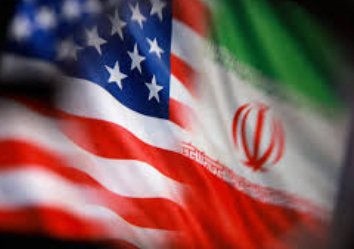
US Central Command confirmed it carried out fresh strikes against several Iranian targets on June 10,
marking the second straight day of American military action against Iran. CENTCOM framed the attacks as self-defense, saying the targeted sites endangered US personnel and commercial vessels navigating regional waters. President Trump had earlier warned Iran it would face serious consequences, with Defense Secretary Pete Hegseth echoing that warning.
The immediate trigger was Iran allegedly shooting down a US Army Apache helicopter near the Strait of Hormuz, which Washington used as justification for the renewed military action.
How the Conflict Began
The war traces back to February 28, 2026, when US and Israeli forces jointly launched a massive campaign involving close to 900 strikes over 12 hours. The operation targeted Iran’s military capacity, air defense systems, government infrastructure, and senior leadership — including Supreme Leader Ali Khamenei, who was killed in the initial wave.
The strikes followed the collapse of US-Iran nuclear negotiations, brokered by Oman, which had appeared to be making headway before President Trump expressed dissatisfaction with the pace and terms of the talks.
Current Flashpoints
Iran claims the Strait of Hormuz is closed; CENTCOM flatly denies this, insisting commercial shipping continues to move through the waterway. Iran has vowed a “crushing and decisive” response to the latest American strikes.
A Qatari diplomatic delegation was in Tehran attempting to facilitate talks even as the new strikes were underway, highlighting the parallel push for diplomacy amid active fighting.
Broader Impact
Oil markets are reacting sharply, with Brent crude climbing toward $91 per barrel. US stock markets have shed significant value since early June. Israeli strikes against Hezbollah in Lebanon are also continuing alongside the Iran campaign, adding another layer of regional instability.
The conflict has now passed the 100-day mark with no peace agreement in sight.