Iran has offered to reopen the Strait of Hormuz to Gulf shipping within seven days if the United States scales back military pressure and lifts its naval blockade on Iranian ports, a senior Iranian official said, in a move that could pave the way for renewed diplomatic engagement between the two countries.
The official, speaking on condition of anonymity, told Reuters and Japan’s Kyodo News that Tehran conveyed the proposal to Washington last week through intermediaries. The official said a public U.S. commitment to pursue a diplomatic resolution, followed by an agreed timeline, would be required before Iran moves forward, and described this week’s UN General Assembly session in New York as a timely opportunity for the two governments to re-engage.
President Donald Trump said Tuesday, following a meeting with British Prime Minister Andy Burnham on the sidelines of the UN gathering, that Washington and Tehran were moving toward a settlement. His remarks followed a UN address in which he repeated a warning that the United States could destroy Iran if no agreement is reached.
Iran’s Parliament Speaker Mohammad Baqer Qalibaf, who has led past rounds of negotiations with Washington, said Tehran would not bow to American pressure, adding that the United States could not impose its will on the Iranian people or armed forces.
The offer follows the collapse of an earlier ceasefire framework agreed in the spring, under which Washington and Tehran signed a memorandum of understanding in June setting terms for the strait’s full reopening. Diverging interpretations of that agreement led to its breakdown, prompting the U.S. to reinstate a naval blockade on Iranian ports. U.S. Central Command has said it has redirected dozens of commercial vessels and intercepted several others as part of enforcement efforts since early August.
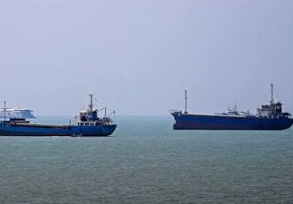
The Strait of Hormuz, a critical corridor for global oil and liquefied natural gas exports, has remained closed for shipping since the conflict between the United States and Iran escalated earlier this year, straining energy-dependent economies across the Gulf, including Qatar, Bahrain and Kuwait.
Trump was scheduled to meet this week with leaders of the six Gulf Arab states, several of which have urged a swift resolution to restore normal shipping through the strait.