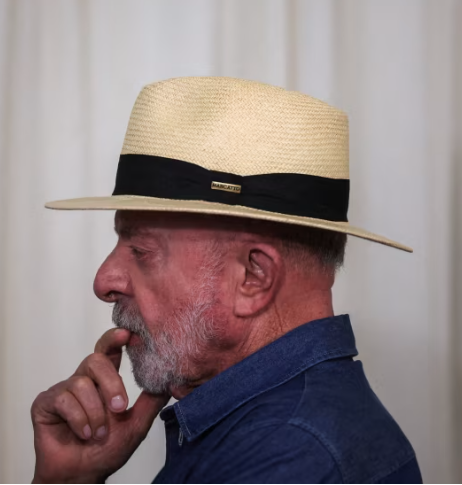
Brazil votes with Lula, 80, carrying the region’s embattled left and its own baggage

Table of Content

Brazilians vote on Sunday in the first round of a presidential election in which President Luiz Inacio Lula da Silva, 80, is seeking a fourth term against far-right Senator Flavio Bolsonaro. Polls show the two roughly level in a likely runoff.

The outcome carries weight beyond Brazil. Lula is widely viewed as the last major left-wing leader in South America after recent victories for right-wing candidates in Chile, Colombia, Honduras and Peru, and after a U.S. military intervention in Venezuela that expanded Washington’s reach in the region. Some Brazilian diplomats say Washington regards Brazil as the last big obstacle to a sweep of governments aligned with President Donald Trump. Progressive groups in the United States describe Lula as a beacon of hope, and opponents of Argentine President Javier Milei see a Lula win as a lift ahead of next year’s vote there.

The same campaign has also exposed Lula’s vulnerabilities. It has been shaped by corruption scandals and economic anxiety. A federal police inquiry into one of his sons over alleged influence-peddling, which the son denies, has dogged him, and Lula has sought to keep his distance from it. A banker’s links to Supreme Court Justice Alexandre de Moraes, regarded by many as a Lula ally, threw the court into crisis a month before the vote.

Bolsonaro has pledged to seek amnesty for his father, former President Jair Bolsonaro, who is serving a sentence of more than 27 years for plotting a coup after losing the 2022 election. Lula has framed the contest as a choice between democracy and denial of democratic outcomes, and has repeatedly warned of foreign meddling.

Relations with Washington have been strained over trade and security. Secretary of State Marco Rubio has blamed Lula for the collapse of trade talks that led to higher U.S. tariffs on Brazilian goods, and a U.S. plan to send officials to Brazil to discuss election integrity fell through. Lula’s allies say the Trump administration could refuse to recognise a Lula victory and argue that interference is already under way. The State Department has denied earlier accusations of meddling. Brazilian intelligence officials also briefed French and German delegates in September on possible interference by outside powers including the United States and Russia, Reuters has reported.

Lula has tightened ties with China, revived Brazil’s role in the BRICS group and widened engagement with Europe, but his critics say these moves have left him isolated in the Western Hemisphere.

If no candidate wins an outright majority on Sunday, the top two will meet in a runoff later this month.

support@paulkizitoblog.com

support@paulkizitoblog.com http://paulkizitoblog.com

Leave a Reply

Your email address will not be published. Required fields are marked *

Recent News

Trending News

Editor's Picks

Brazil votes with Lula, 80, carrying the region’s embattled left and its own baggage

Brazilians vote on Sunday in the first round of a presidential election in which President Luiz Inacio Lula da Silva, 80, is seeking a fourth term against far-right Senator Flavio Bolsonaro. Polls show the two roughly level in a likely runoff. The outcome carries weight beyond Brazil. Lula is widely viewed as the last major left-wing leader in South America after recent victories for right-wing candidates in Chile, Colombia, Honduras and Peru, and after a U.S. military intervention in Venezuela that expanded Washington’s reach in the region. Some Brazilian diplomats say Washington regards Brazil as the last big obstacle to a sweep of governments aligned with President Donald Trump. Progressive groups in the United States describe Lula as a beacon of hope, and opponents of Argentine President Javier Milei see a Lula win as a lift ahead of next year’s vote there. The same campaign has also exposed Lula’s vulnerabilities. It has been shaped by corruption scandals and economic anxiety. A federal police inquiry into one of his sons over alleged influence-peddling, which the son denies, has dogged him, and Lula has sought to keep his distance from it. A banker’s links to Supreme Court Justice Alexandre de Moraes, regarded by many as a Lula ally, threw the court into crisis a month before the vote. Bolsonaro has pledged to seek amnesty for his father, former President Jair Bolsonaro, who is serving a sentence of more than 27 years for plotting a coup after losing the 2022 election. Lula has framed the contest as a choice between democracy and denial of democratic outcomes, and has repeatedly warned of foreign meddling. Relations with Washington have been strained over trade and security. Secretary of State Marco Rubio has blamed Lula for the collapse of trade talks that led to higher U.S. tariffs on Brazilian goods, and a U.S. plan to send officials to Brazil to discuss election integrity fell through. Lula’s allies say the Trump administration could refuse to recognise a Lula victory and argue that interference is already under way. The State Department has denied earlier accusations of meddling. Brazilian intelligence officials also briefed French and German delegates in September on possible interference by outside powers including the United States and Russia, Reuters has reported. Lula has tightened ties with China, revived Brazil’s role in the BRICS group and widened engagement with Europe, but his critics say these moves have left him isolated in the Western Hemisphere. If no candidate wins an outright majority on Sunday, the top two will meet in a runoff later this month. support@paulkizitoblog.com