British Prime Minister Andy Burnham announced £65 million in additional government funding for farmers on Saturday, as an extended drought following the driest July on record in England and Wales pushed the agricultural sector toward what officials described as breaking point.
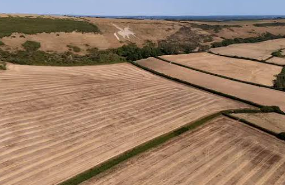
The National Drought Group has declared two-thirds of England officially in drought, with water-use restrictions now affecting an estimated 27 million people. Farmers across the country have reported having to bring in harvests early, with lower yields and reduced crop quality, while dying pasture has left many livestock producers struggling to feed their herds. Britain’s cereal harvest is on track to be its worst since comparable national records began in the 1980s.
Of the new funding, £50 million will be added to this year’s Sustainable Farming Incentive scheme, bringing its total budget to £290 million, with the additional money directed toward areas hit hardest by the drought. A further £15 million will go toward helping farmers build on-farm reservoirs to improve water resilience in future dry summers. The government also said it would ease planning barriers around reservoir construction and direct the Environment Agency to fast-track temporary adjustments to water abstraction licenses, while allowing farmers in environmental land management schemes to keep receiving payments despite drought-related disruptions.
The funding announcement follows a Cobra emergency meeting Burnham chaired earlier in the week focused on the government’s response to extreme heat, wildfires and water shortages, part of a wider cross-government effort addressing pressure on farming, water infrastructure and public services. Burnham argued farmers should not be left to absorb the financial risk of an increasingly volatile climate on their own, framing the country’s capacity to grow its own food as a matter of national security.
This marks the third drought Britain has faced in five years, according to officials, underscoring growing concern within government over the frequency and severity of extreme weather events affecting domestic agriculture.