
Afghanistan’s Taliban rulers held ceremonies across the country on Saturday to mark five years since retaking power, presenting their rule as a period of restored order even as United Nations officials warned that the country faces a worsening humanitarian and human rights emergency.
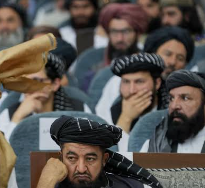
Senior Taliban figures gathered at Kabul’s Loya Jirga assembly hall, a traditional venue for national gatherings, joined by foreign representatives and thousands of citizens for a program of speeches. Officials cast the anniversary as marking Afghanistan’s liberation from foreign forces and an end to decades of internal conflict. A separate parade took place near the site of the former U.S. embassy in the capital, featuring armored vehicles and an athletics procession limited to male participants, reflecting the Taliban’s ban on women’s involvement in sport.
The Taliban’s interior minister attributed the movement’s return to power to what he called divine backing and the resolve of its fighters, while offering a rare public nod to what he described as ongoing shortcomings still facing the government. A senior deputy prime minister said the period since the takeover had brought an end to decades of foreign intervention and internal strife that had cost hundreds of lives daily during the war years.
The anniversary comes as the country’s humanitarian situation continues to deteriorate. The United Nations’ special rapporteur on human rights in Afghanistan described the country as gripped by a severe rights crisis, pointing in particular to the continued exclusion of girls above the age of 12 from formal schooling, a policy that has kept an estimated 2.4 million girls out of secondary education according to UN figures. Separately, the UN’s World Food Programme said child malnutrition has reached critical thresholds in roughly a third of the country’s provinces, with conditions expected to worsen amid funding shortfalls, compounded by recent droughts, earthquakes and an influx of Afghans deported from neighboring countries.
Nearly five years after seizing Kabul as U.S.-backed forces collapsed, the Taliban government remains almost entirely unrecognized internationally, with Russia the only country to have granted it formal diplomatic recognition. Even so, officials say they have made incremental diplomatic and economic progress with a number of governments weighing the practical need to engage with Kabul, including some European states seeking cooperation on deportations of Afghan nationals. A Taliban foreign ministry spokesman used the occasion to invite foreign investment, calling on other countries to make greater use of what he described as Afghanistan’s economic opportunities.










