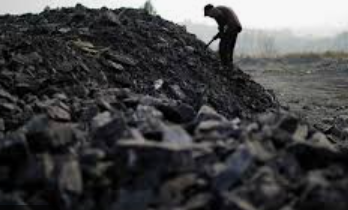
Fifty-nine lives lost so far, maybe more, after gas ripped through an underground pit in northern China,
where crews still move carefully through dust and wreckage. Smoke clung low when responders arrived, hours after the blast shook nearby homes, sending cracks across walls. Some workers were pulled out quickly, others not seen since the moment everything went dark below ground. Officials say methane likely sparked the fire but offer no clear answer yet on why alarms failed. Phones remain unanswered at the company office, while families wait near the entrance under cold lamps that flicker in the night air.
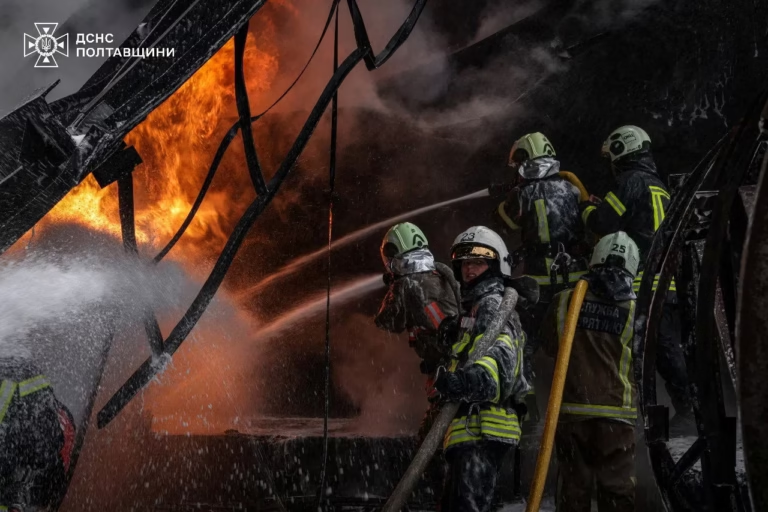
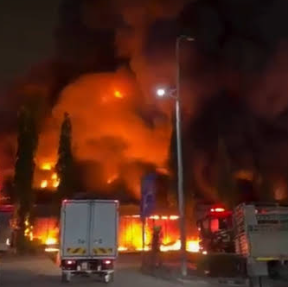
A loud explosion hit a big mine, state news reported. Inside, many workers got stuck below ground when it happened. Emergency teams rushed in – firefighters, doctors, rescuers – all arriving fast after the incident started. Some miners suffered injuries, officials confirmed later that day. A few of those hurt were very seriously wounded, needing urgent care. The situation remained tense through the night as help continued pouring into the area.
Chinese officials started checking what caused the explosion, even as rescue workers rushed to secure the area and find people who hadn’t been found yet. It seems, according to early details, that built-up gas in the mine might’ve triggered the blast – yet nobody in charge has said for sure just what happened.
Now questions are rising again about mine safety in China, an industry massive in scale yet still haunted by crashes and collapses even after long pushes to tighten rules. Though officials have worked for years to make things safer, deadly slips keep happening underground. This latest tragedy brings old worries back into view. Oversight was supposed to have gotten stronger. It clearly has not gone far enough.
Out of Beijing came a directive: save lives first, tend to injuries without delay. Officials must act fast, one observer noted, because eyes are now on how mines run their daily work. Pressure builds when accidents happen – scrutiny follows. Medical care needs to reach those hit by tragedy, without wait. Local leaders feel it more now, after such events unfold. Safety checks may tighten, simply because ignoring risks becomes harder. What happens next depends on who takes responsibility.