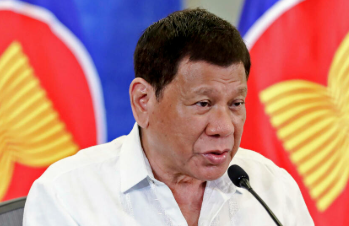
Out of The Hague comes word on April 23 : a trial moves forward at the International Criminal Court targeting ex-Philippine leader Rodrigo Duterte. His harsh drug crackdown now faces scrutiny under charges of crimes against humanity. No delays seen – proceedings take shape despite past resistance.
Pressure builds as global legal machinery shifts into motion. Once-dismissed warnings now gain weight in court corridors. Not talk anymore – the case finds footing where justice systems stretch beyond borders. A grim chapter reopens, this time under international watch.
The court explained that enough evidence exists to proceed, focusing on widespread deaths tied to Duterte’s anti-drug campaign while he held power. Judges agreed the situation warrants further legal steps.
It wasn’t just isolated incidents, prosecutors say – it unfolded across many areas, hitting ordinary people again and again, which crosses into what counts as crimes against humanity. Though he faces serious claims, Duterte insists he did nothing wrong, arguing instead that tough measures were needed because of how bad crime had become.
Now comes a moment that shifts things quietly for the court in The Hague, long tangled in the slow work of holding country leaders to account. Its path has never been clear, often blocked by power, delay, or refusal – yet here, movement.
Back in 2019, the Philippines left the ICC during Duterte’s time in power. Yet the court can still look into accusations that happened when the nation had not yet pulled out.
Out of nowhere, global eyes are turning to the courtroom, where activists see progress on justice – yet allies of Duterte call it a biased show. A quiet shift stirs, met by both hope and sharp disapproval.