
Early signs point to stronger growth across Indonesia’s markets last quarter than seen since late 2022.
Even with unrest overseas and shaky conditions worldwide, activity picked up. Numbers released Monday show output rising faster compared to any three-month stretch in recent years. The uptick came despite ongoing tensions affecting trade elsewhere. Growth held firm through January to March 2026. Analysts noted gains in both services and manufacturing helped fuel the rise.
Out there among islands, economic output climbed 5.61% from last year during early spring – beating expectations set at 5.40%, also rising above the prior quarter’s 5.39%. On a Tuesday morning, BPS shared numbers showing strength held firm even while much of the world tightened its grip amid shaky financial moods.
Local Buying Habits During Holiday Seasons
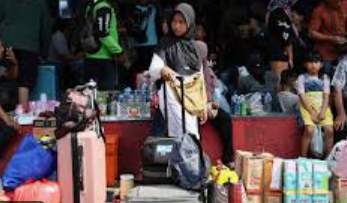
Spending jumped fast when more people started moving around over holidays. This happened especially during big celebrations like Nyepi and Idulfitri. A rush of shoppers kept things going strong. Movement picked up across regions as families traveled. The boost came not just from one place but many at once.
Energy spread through cities and towns alike.
Spending by families stayed the top force behind economic expansion, adding 2.94%. That slice made up most of the rise seen this period.
More people took local trips, rising thirteen point one four percent. Meanwhile, travelers using road
transport jumped twenty point two zero percent.
A sudden jump in online shopping activity gave the quarter’s numbers a strong boost. What stood out was how quickly people shifted to digital buying, adding noticeable momentum. This shift didn’t just appear – it built steadily through the period. Behind it, more consumers chose web-based purchases over traditional methods. The result? A clear lift in overall economic performance for that stretch.
Strategic Investment and Government Support
Downstream industries got a boost under Prabowe-Gibran, thanks to targeted spending that kept economic momentum steady. Infrastructure plans moved forward, creating stability even when demand dipped. Growth didn’t rely only on buying and selling – new factories played their part too. Projects rolled out across regions, supporting jobs while building long-term capacity. The mix of policy moves helped anchor performance during uncertain times.
Spending on long-term assets rose sharply, up nearly six percent. This growth came as businesses put money into equipment while public projects also expanded. Money flowed in from multiple directions, pushing totals higher overall.
Fresh spending picked up sharply – up nearly 22% – as officials funneled cash into aid efforts along with year-end bonuses for workers. While public projects added momentum, much of the rise came from direct support during festive periods.
Fresh off another review, Bank Indonesia left its main interest rate unchanged at 4.75%. Even with outside forces tugging at the economy, this move has helped keep spending power steady. Pressure from global markets didn’t sway the decision. Stability took priority over reaction. Choices made today echo through household budgets tomorrow. Keeping rates firm acts like an anchor. Not every shift comes from within. Outside winds matter, yet control remains local. The number stays – so does the effect.
External Pressures
Even though numbers looked better than expected, world events still stir unease. Because of the continuing fighting in the Middle East – a reason named directly by BPS – global forecasts now carry more doubt, shaping how some regions might grow. Trouble lingering from the clashes could strain Indonesia’s economic path ahead, despite solid local conditions holding firm.