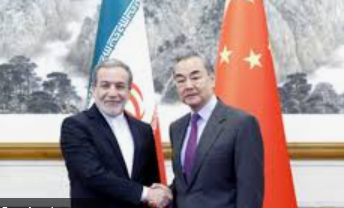
On Wednesday, China’s top diplomat Wang Yi met face-to-face with Iran’s foreign minister Abbas Araghchi in Beijing. The meeting came through at a time when unrest in the Gulf pushes oil markets toward uncertainty. With energy routes under strain, both nations exchanged views behind closed doors.
Talks unfolded just days after fresh flare-ups near key shipping lanes. While few details were shared publicly, the timing signals urgency. Diplomatic sources confirm that security along maritime corridors took center stage. Neither side issued lengthy statements afterward. Instead, officials emphasized quiet coordination over public declarations. Despite distance between capitals, alignment on regional calm appeared stronger than before. Outcomes may shape how Tehran and Beijing handle pressure going forward.
Talks kicked off in Beijing – Araghchi’s first face-to-face chat with China’s top diplomat since things blew up on February 28. Hinged entirely on that tense standoff at the Strait of Hormuz, where shipping lanes stay shut tight. Instead of just hoping it holds, both sides are now pushing to turn shaky quiet into something longer-lasting. Not much fanfare, just slow moves toward locking down peace.
Strategic Timing
Later this month, on May 14 or 15, there will be an important meeting in Beijing where Donald Trump plans to meet with Xi Jinping. This trip comes ahead of that event, setting the stage quietly but clearly. Because Iran relies heavily on China for oil purchases, Beijing sees room to influence decisions in Tehran. Instead of stepping back, Chinese leaders appear ready to step forward – urging calm through quiet pressure. While others watch closely, analysts notice how carefully moves are being made behind the scenes.
Diplomatic Consultations
Beyond the usual routes, Araghchi touched down in Beijing after swinging through Pakistan, then Oman, before circling into Russia. The journey unfolded across borders shaped by quiet talks rather than grand declarations.
From Muscat, Araghchi stressed talks shared with Oman could steady movement across the narrow water path. Not far off, safety in that tight sea stretch took center stage once more.
President Putin said in St. Petersburg that Moscow stands behind Tehran’s goals. A swift resolution to tensions? He signaled Russia will help make it happen. Not through force – through backing Iran’s position firmly.
Washington talks in Islamabad looked at what it would take for Tehran and the U.S. to start talking again. Not every detail was settled, yet the groundwork shifted slightly. A path forward came into view only after long pauses. Still unclear is how both sides will move past old disagreements. One thing stood out – timing matters more than promises.
Maritime Stalemate
Now negotiations surface just after Washington voiced expectation that China might push Iran to loosen control over the Strait of Hormuz. Though Trump delayed military maneuvers lately – calling it a sign of movement on broader terms – Iran remains silent about fresh American offers for settlement.
Open lines of communication stayed active during the Beijing discussions, according to Iran’s Foreign Ministry. These talks formed one move among others aimed at resisting outside influence. Sovereignty protection shaped much of what was said behind closed doors. Not every detail emerged, yet the intent remained clear throughout.