THE BUSINESS FRONTIER
Where Capital, Commerce And Economic Power Converge
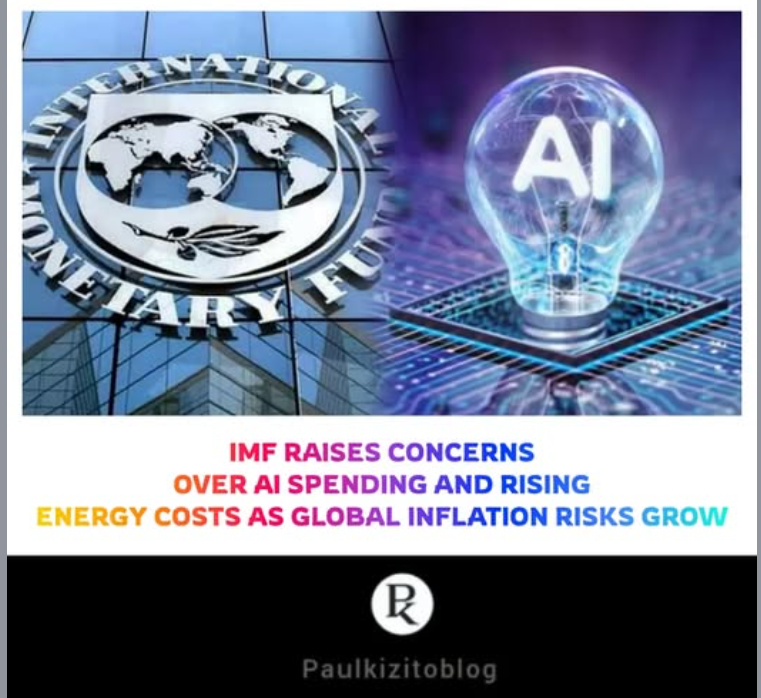
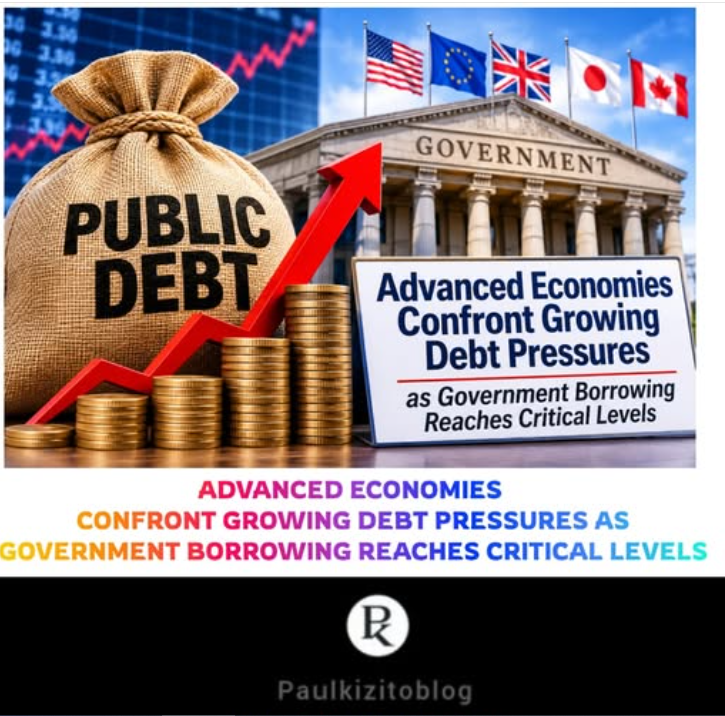
Speaking at the IMF’s annual meetings in Bangkok early October, Managing Director Kristalina Georgieva said there are two drivers of inflationary pressures currently acting on the global economy. A negative supply-side shock in the energy sector has taken place due to conflict in the Middle East, while high investment in AI is causing a positive demand shock. Both causes are raising inflation. However, the impacts are highly heterogeneous across economies with many missing out on the benefits of the AI boom.
Georgieva listed multiple sources of inflationary pressure including AI investment, energy and food shocks, trade barriers, increased defence spending, and increasing public debt repayments. Therefore, many economies’ central banks may need to maintain a cautious pro-tight stance in order to avoid premature easing.
Energy prices are likely to remain under pressure until 2027. While it is currently a large but manageable shock, increased energy demand in the Northern Hemisphere in winter and filling depleted energy reserves may create further pressure on energy prices. Even if the conflict in the Gulf were to be resolved soon, energy prices are likely to remain high for some time. Future energy prices suggest that oil prices will remain high through 2027, meaning that Governments and Central Banks should not expect a rapid recovery.
Furthermore, the AI industry is increasing energy demand. Due to high energy demands from data centres and associated infrastructure, energy supply struggles to keep up. If energy capacity does not increase quickly, energy costs may rise sharply, hurting businesses and consumers. This may limit future growth in the AI industry.
Georgieva said that rising energy prices are creating inflationary pressure, therefore pushing up policy rates and government bond rates. The yield on 10 year government bonds in the U.S., Germany and Japan is at its highest level since 2007, 2009 and 1996 respectively. She also suggested that central banks should not ease pressure on fiscal policy. Instead, monetary policy should prioritise price stability, and Governments should improve their fiscal positions via credible medium term strategies.
The scale of investment in AI is also of concern. Georgieva said that investment in AI is likely to exceed that of previous infrastructure developments such as rail networks, energy grids and telecommunication networks as a percentage of GDP. As investment in AI is concentrated within a few firms, pressure builds on these firms to produce strong productivity and profit gains to justify their high valuations. However, if expectations are not met this could create a large shock in financial markets.
These concerns were emphasised by the IMF in their reports in October. In the World Economic Outlook, global growth is expected to be 3.1% in 2026, which is slightly higher than 3.0% from July, and 3.4% in 2027. Despite higher oil prices, investment in AI has helped to offset this. In the Global Financial Stability Report, however, the IMF warned that complacency around potential reductions in AI investment and valuations should be avoided.
On Nov 6, Georgieva stressed that central banks should consider reduced growth caused by AI when setting monetary policy in response to sustained inflationary pressures. An adverse scenario produced by the IMF suggests that a large reduction in investment in AI could reduce global output by around 1.1% in 2028 compared to baseline.
Emerging economies and low income economies are particularly vulnerable to this situation. Increasing benchmark interest rates, volatile capital flows, small tax bases and decreasing aid means that development spending must be reduced. Energy importing countries are most vulnerable.