Real stories. Raw truth Fast accuracy

We cut through the spin and social media outrage to bring you deeply researched, independent journalism you can actually trust.

Nagasaki marks 81st anniversary of atomic bombing, mayor warns nuclear deterrence raises risk

Table of Content

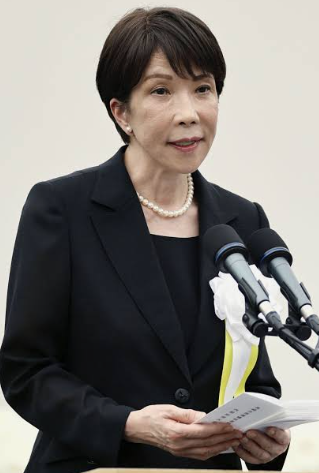
The city of Nagasaki held its annual memorial ceremony Sunday to mark 81 years since the United States dropped an atomic bomb on the city near the end of World War Two, as its mayor used the occasion to caution against growing global reliance on nuclear deterrence.

Representatives from more than 90 countries gathered at the city’s Peace Park, where attendees observed a moment of silence at 11:02 a.m. — the exact moment in 1945 when a U.S. B-29 bomber released the plutonium device known as “Fat Man” over the city.

In the ceremony’s Peace Declaration, Mayor Shiro Suzuki argued that nuclear weapons should not be viewed as a “necessary evil” but as an absolute one, incompatible with humanity’s survival. He pushed back on the argument, gaining traction among some nuclear-armed states, that stockpiling such weapons deters conflict, saying the bombings of Hiroshima and Nagasaki themselves stand as proof of the toll such weapons exact.

Suzuki called on Tokyo to uphold Japan’s pacifist constitution, adhere to the country’s three non-nuclear principles of not possessing, producing or allowing nuclear weapons on its territory, and to attend an upcoming review conference on the international Treaty on the Prohibition of Nuclear Weapons.

The anniversary fell as Prime Minister Sanae Takaichi’s government moves to revise the country’s defense posture to expand its offensive military capabilities, a shift that has added fresh tension to Japan’s long-standing non-nuclear stance. Takaichi has said she supports two of the three non-nuclear principles — not possessing and not producing nuclear weapons — without fully committing to the third.

The U.S. bombing of Nagasaki on August 9, 1945, killed an estimated 70,000 people by year’s end and came three days after a separate atomic attack on Hiroshima that killed roughly 140,000. Japan surrendered on August 15, 1945, bringing World War Two to a close.

support@paulkizitoblog.com

support@paulkizitoblog.com http://paulkizitoblog.com

Leave a Reply

Your email address will not be published. Required fields are marked *

Recent News

Trending News

Editor's Picks

Nagasaki marks 81st anniversary of atomic bombing, mayor warns nuclear deterrence raises risk

The city of Nagasaki held its annual memorial ceremony Sunday to mark 81 years since the United States dropped an atomic bomb on the city near the end of World War Two, as its mayor used the occasion to caution against growing global reliance on nuclear deterrence. Representatives from more than 90 countries gathered at the city’s Peace Park, where attendees observed a moment of silence at 11:02 a.m. — the exact moment in 1945 when a U.S. B-29 bomber released the plutonium device known as “Fat Man” over the city. In the ceremony’s Peace Declaration, Mayor Shiro Suzuki argued that nuclear weapons should not be viewed as a “necessary evil” but as an absolute one, incompatible with humanity’s survival. He pushed back on the argument, gaining traction among some nuclear-armed states, that stockpiling such weapons deters conflict, saying the bombings of Hiroshima and Nagasaki themselves stand as proof of the toll such weapons exact. Suzuki called on Tokyo to uphold Japan’s pacifist constitution, adhere to the country’s three non-nuclear principles of not possessing, producing or allowing nuclear weapons on its territory, and to attend an upcoming review conference on the international Treaty on the Prohibition of Nuclear Weapons. The anniversary fell as Prime Minister Sanae Takaichi’s government moves to revise the country’s defense posture to expand its offensive military capabilities, a shift that has added fresh tension to Japan’s long-standing non-nuclear stance. Takaichi has said she supports two of the three non-nuclear principles — not possessing and not producing nuclear weapons — without fully committing to the third. The U.S. bombing of Nagasaki on August 9, 1945, killed an estimated 70,000 people by year’s end and came three days after a separate atomic attack on Hiroshima that killed roughly 140,000. Japan surrendered on August 15, 1945, bringing World War Two to a close. support@paulkizitoblog.com