Ex-President Goodluck Jonathan spoke out from Abuja, raising concerns about Nigeria
slowly letting go of its core principles. He pointed to how people are starting to accept danger and chaos as just part of life now. What once shocked many has begun fading into everyday reality, he said. Violence no longer stirs outrage like before, according to his observations. Instead of standing against harm, communities seem to be folding under it. His message came through clearly, though quietly – something vital appears to be slipping away. Normal reactions have dulled; fear spreads without resistance. Stillness settles where protest should rise.
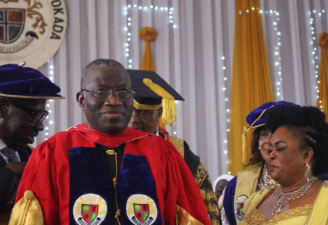
On a quiet note, Jonathan stood before the Anglican Diocese of Abuja during its 13th Synod and spoke of how killings no longer shock people like they once did. Back then, violence stirred deep anger across the country; now, silence often follows. He pointed out that what used to move entire communities has begun to slip by unnoticed. Though voices rose loud in earlier times, today many look away. The weight of loss feels lighter in public memory. Yet he reminded them, pain still lingers beneath the surface. Not long ago, tragedy united people in protest – now it barely makes headlines. His words hung slow in the air, unembellished but heavy.
“What is even more painful is how society sometimes appears to normalize these tragedies as though they are ordinary occurrences,” Jonathan said during his goodwill message. “In times past, such incidents would shake the conscience of the nation. Today, people are killed, communities are destroyed, and life seems to continue as though nothing has happened.”
A man once leading the largest country in Africa by people count, serving between 2010 and 2015, spoke out – spiritual revival must come fast, since ethics are slipping while national safety keeps declining. Values need rebuilding now, he said, otherwise things may spiral further. Though quiet for years, his voice returned with weight behind each word.
Besides the ongoing Islamist uprisings in the northeast, Nigeria faces waves of abductions tied to armed gangs across the northwest. Clashes sparked by competition for farmland pop up often, adding strain. Though separate in cause, these tensions stretch state response thin. Each crisis feeds instability in its own way.
Out front, faith groups were pushed by Jonathan to stand up and speak out – holding power to account because steady moral guidance still shapes how a country moves forward. Then again, he saw their role not just as observers but as active voices when integrity leads the way.
“Society progresses when men and women of integrity, courage, and vision stand in the right places and speak the truth,” he added, calling on citizens to collectively work toward peace and national renewal.