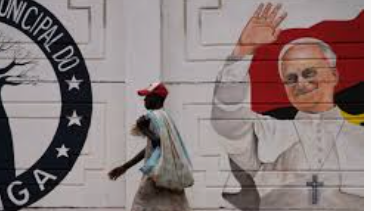
On Friday morning in Luanda, the pope will step into a sacred space where history weighs heavy. This place, once tangled with chains and sorrow, now holds prayers instead of pain. His journey there carries quiet weight, though he speaks softly about what it means. Memories rise without warning near these old stones by the sea. Faith shows up in whispers, not grand speeches, during visits like this one. Reconciliation creeps forward when people return to wounds long ignored. The shrine stands as more than stone and mortar – it remembers voices lost. Some say healing begins only after truth gets spoken aloud.
Home to deep spiritual meaning, this place carries echoes of those forced onto ships long ago, their journeys carving shifts across Africa and beyond. Out of sorrow grew a legacy etched into stone and memory alike, where prayers linger alongside painful farewells. Not just worship happens here – stories of loss unfold beneath open skies. From such ground rose global change, quiet yet unstoppable. Each footprint left behind points toward distant lands and broken ties.
Prayers for those harmed by slavery will open the visit, according to Vatican sources. Lasting wounds from past wrongs remain a quiet theme throughout. Instead of moving on, there is urging toward deeper thought about what came before. Echoes of injustice still shape lives now, church figures note. Reflection stays central, not as duty but as necessary pause.
Out of nowhere, the journey highlights how the Catholic Church keeps wrestling with its past ties to slavery across Africa and Latin America. While it might seem distant, those links still shape conversations today. Not every detail is clear, yet the pattern shows a steady push to face what happened. Sometimes quietly, sometimes loud, the institution moves through layers of history. What stands out is not grand gestures but slow steps toward acknowledgment.
Church leaders across Angola expect big turnouts. People will come from near and far, drawn by faith or local pride. Crowds should form as the event unfolds. Pilgrims arrive early, others join later. The day carries weight without needing grand words.
Some say Angola marked a key starting place for those forced across the sea to the Americas, so the site holds memory beyond prayer. The ground remembers what records sometimes forget.
Folks who study these things reckon the trip might build stronger links with African Catholics, a group that’s expanding fast within the worldwide Church.
Though the full schedule remains under wraps, church leaders pointed to reconciliation as a quiet thread through the trip. Moments of remembrance will shape parts of the journey, while shared understanding moves alongside it. Unity appears woven into the structure without being loudly named.