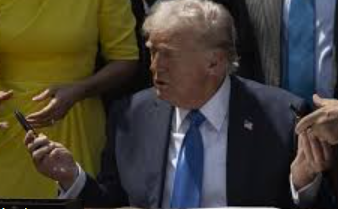
Friday last week brought a new move from President Donald Trump, who put pen to paper on an executive order in Washington. This step opens doors wider for using psychedelics in treating specific mental health struggles. The action stands out as a turning point in how the country handles health rules. A fresh direction emerges, quietly reshaping what was once tightly restricted. Policy gears shift under this unexpected push from the top.
A push comes through the order for federal groups to speed up studies on treatments using compounds like psilocybin and MDMA. Progress hinges on simplifying approval steps behind these medical uses. Access widens when oversight adapts to patient needs in monitored environments.
Problems like PTSD, depression, or anxiety have been growing, especially for vets and emergency workers.
The move comes as a response, according to government representatives. Instead of waiting, they’re rolling out support meant to catch up with the need. One factor behind it? Real stories piling up over time. Those on the front lines face tough moments regularly. So help is being shaped around their actual experiences. Not everything changes overnight, yet signs point toward shifts happening now.
Facing new directions, the policy urges FDA oversight into how approvals happen alongside backing medical studies. VA programs using different treatments should grow, guided by what comes next.
Some believe this step follows new research showing certain mind-altering therapies can help people left behind by standard care – especially when guided by trained experts.
Still, specialists warned these treatments need close monitoring so they work properly while staying safe. Most mind-altering compounds are heavily controlled by national rules, they pointed out.
Officials noted the directive stops short of allowing casual consumption, instead emphasizing health-related uses under oversight. Still, it sets boundaries for patient access through controlled channels. Not a green light for free market sales, yet opens paths for treatment options. Rules apply only where systems monitor usage closely. Legal loopholes remain closed for non-medical cases.
Some worry it could be misused without enough evidence over time. Others see the move as opening doors to updated ways of treating mental health.
Now joining others worldwide, the U.S. signals a shift toward different healing paths within its mental wellness plans. Few nations have taken this step so far, yet momentum builds quietly. A quiet turn unfolds – not loud, but clear – in how care might look going forward.