Out of Washington comes word – dated May 8 – President Donald Trump wants the European Union to
act fast. His message arrives with clear timing: by July 4, the deal must be sealed. If not? A wave of steeper charges looms over many goods crossing the Atlantic. Cars are just one part caught in this push. The note leaves little room for delay. Agreement now avoids deeper costs later. Pressure builds from across the ocean. Silence won’t help their case. Decisions made soon will shape what follows.
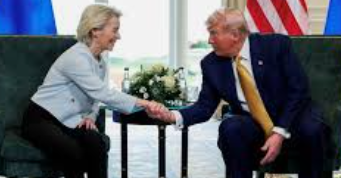
Later on Thursday, the president set a new date after saying he had a productive conversation with European Commission head Ursula von der Leyen. Marking 250 years since the nation’s founding, this moment ties back – in his view – to the deal made at Turnberry during summer talks in Scotland.
Implementation Delay
Back when Turnberry first took shape, it set a 15% charge on nearly all European imports, offered in return for Europe dropping its taxes on U.S. farm/ and factory items. Even though lawmakers in Brussels gave their okay – sort of – in March, nothing’s moved forward because countries within the bloc are still haggling about green rules and worker rights.
“I’ve been waiting patiently for the EU to fulfill their side of the Historic Trade Deal,” Trump posted on his Truth Social platform. “A promise was made that the EU would deliver… and cut their Tariffs to ZERO!”
Retaliatory Hikes
A shift in timing came from Washington, hinting that missing the Fourth of July mark could spark swift consequences. Though Trump once warned of lifting tariffs on European vehicles – from 15% to 25% – possibly within days, this adjusted timeline gives automakers across the Atlantic a narrow window before pressure resumes.
A sharp trade stance continues, even after the top court in February said the president can’t slap wide tariffs using some emergency claims. Because of that, probes focused on particular industries now support a short-term 10 percent charge on multiple products as officials wait for approval at Turnberry.
European Response
After the conversation, Von der Leyen said the group still backs moving forward with the agreement, pointing out things are advancing well ahead of an early July target. Yet complications linger because some countries inside the EU worry how it might affect their farm safeguards, slowing down approval.
On May 19, Cyprus will meet with legislators – keeping things moving becomes key when tensions across the Atlantic could flare again. The island nation now leads the EU’s shifting chair role, shaping how talks unfold without reigniting old disputes.