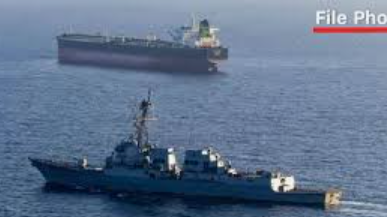
Reports emerge late thursday, American forces hit several spots tied to Iran’s armed units. This came after
drones and fast boats linked to Tehran targeted three navy ships moving through a tight sea passage. Explosions lit up desert areas as jets responded under cover of night. Washington called it protection, nothing more. Smoke rose hours later, seen on thermal feeds from high above. Officials in D.C. said rules allowed such moves when threats show clear intent. Crews aboard the vessels had reported incoming fire minutes before radio went quiet. Dawn broke with wreckage floating close to rocky shores. No names were released by either side when asked early Friday morning.
Out near the Gulf of Oman, three American destroyers – Truxtun, Rafael Peralta, and Mason – came under fire. Iran’s military forces launched missiles, sent drones, then followed up with speedboats cutting close. Despite what Tehran says about causing serious harm, none of the ships took any hits. The whole event unfolded as they moved through narrow waters. Afterward, U.S. officials stated everything ran smoothly, every system held. So far, so calm on the bridge; engines kept humming. All craft made it through without disruption.
Strategic Retaliation
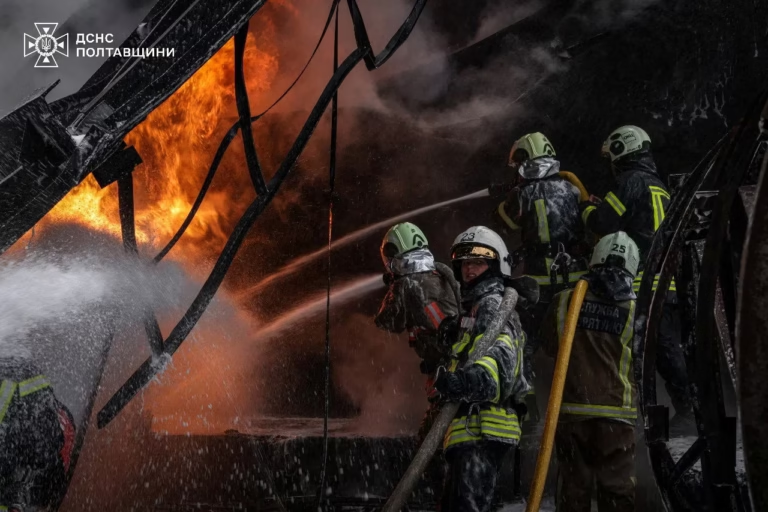
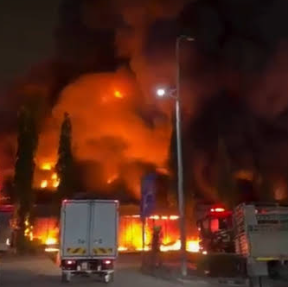
Out of nowhere came U.S. military actions, hitting strategic spots near Bandar Abbas and across on Qeshm Island – this after what leaders called sudden, unprovoked hits. Officials close to the operation said these counterblows zeroed in on specific defense-related sites. While details remain tight, sources confirm the effort aimed squarely at infrastructure tied to regional force movements. Locations struck sit deep within naval supply chains. One site handled coordination, another managed arms storage. Though no names were released, personnel nearby felt the pressure rise fast. Monitoring systems lit up minutes after detonations began. Dust settled slowly under gray morning light
Out here, missile bases stand ready alongside spots where drones take off. These places handle confrontations when needed. From these locations, weapons systems begin their missions. Each site works separately but shares the same purpose. Some are hidden while others stay visible on open ground.
Command Infrastructure: Intelligence, surveillance, and reconnaissance (ISR) nodes.
Maritime Threats: Iranian coastal radars and anti-ship cruise missile batteries.
Ceasefire Under Pressure
This clash is the worst flare-up since the shaky peace deal, helped by Pakistan, began on April 8. Tehran said Washington ruined the truce after stopping an Iranian oil ship close to Jask. Yet that morning’s bloodshed? President Donald Trump called it minor – just a small thing.
Today they played games with us. Their move did not go unanswered, said the leader to journalists. The wider truce still holds, he emphasized. Washington’s action was meant as a small nudge, not a full strike. Its purpose? To keep pushing Iran toward signing a lasting deal.
Maritime Crisis
Nowhere is the tension more visible than in the Gulf, with nearly 1,500 merchant vessels stuck amid Iran’s shipping halt and America’s response. Though small in size, the Strait carries vast amounts of oil – its instability now risks undoing long-standing talks. Officials watching sea routes say delays here ripple far beyond the region. What happens next depends on moves few saw coming.