
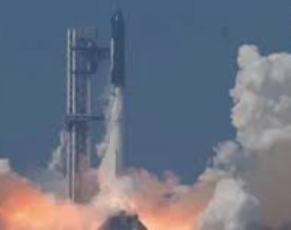
Flying high Thursday, SpaceX sent up its huge Starship V3 in another trial run – a step forward in building
a craft that lands and lifts again, meant for deep space trips including the Moon and Mars. The launch fits into broader plans to make rockets work more like airplanes over time.
Off the ground it went, launching from a dusty stretch of Texas land where SpaceX builds its dreams, watched by engineers abroad, officials tracking progress, eyes glued to screens in living rooms and labs alike. Every second counted as metal met sky, pushing forward a vision few believed possible just years ago.
Out back, SpaceX pointed out this run aimed to check new features – like better control, tougher design, stronger reuse tricks – baked into the newest Starship model. That ship? It’s meant to carry both paying trips and deep space plans down the line.
Now rolling out just as SpaceX keeps teaming up with NASA on moon projects, all while stretching its vision toward people living on Mars someday. Right from the start, Elon Musk called Starship the machine meant to reshape how we move big things – and eventually humans – into deep space.
After the mission, engineers would dig into flight details to check how things ran, spot weak spots, then tweak what needed fixing ahead of next attempts. Earlier Starship tests had uneven results – some blew up, others made it partway through their goals while still learning the ropes