Trump Blames Iran for Attacks on Indian Ships; Tehran Points Finger Back at Washington

Table of Content

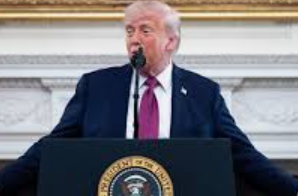
Donald Trump accused Iran on Friday of launching drone attacks on Indian vessels transiting the Strait of Hormuz, a charge Tehran swiftly rejected as fabricated cover for what it said were American strikes that had already killed three Indian sailors.

Writing on Truth Social, the U.S. president described the alleged Iranian drone campaign as “totally unacceptable” and separately accused Tehran of leaking terms of ongoing peace negotiations to the press.

Iran’s embassy in New Delhi had none of it. The accusation, it said, was a deflection — designed to draw attention away from U.S. military strikes that, within the span of a single week, had hit three commercial vessels crewed largely by Indians sailing near the Omani coast. Three seafarers died when fire engulfed the tanker Settebello after what Washington later confirmed was a “precision” military strike, claiming the vessel had ignored instructions and was carrying sanctioned Iranian oil. A second ship, the MT Marivex, was also struck while carrying 24 Indian crew members, its sailors evacuating as flames spread aboard.

India, caught between two powers trading accusations over the bodies of its citizens, summoned the U.S. charge d’affaires in New Delhi and lodged a formal protest, describing the strikes on commercial vessels as lethal and unacceptable. The government said 13 Indian-flagged ships remain stranded in the strait, with more than 18,000 Indian seafarers currently working across the wider Gulf region.

The episode is the sharpest manifestation yet of how a military campaign waged primarily between the United States and Iran has begun drawing in third countries with little stake in the conflict. Since U.S. and Israeli forces began striking Iran in late February, the Strait of Hormuz — through which roughly a fifth of the world’s seaborne oil passes — has effectively ceased to function as a normal shipping lane, with major carriers suspending transits and marine insurers pulling coverage for vessels entering the affected waters.

support@paulkizitoblog.com

support@paulkizitoblog.com http://paulkizitoblog.com

Leave a Reply

Your email address will not be published. Required fields are marked *

Recent News

Trending News

Editor's Picks

Swiss voters decide on population cap in referendum with implications for EU ties

On Sunday, Swiss voters headed to polling stations for a national decision that might change how immigrants enter the country. This vote may influence longstanding deals with the European Union. People considered setting a cap of 10 million residents. The outcome rests on whether limits are placed on future growth. A shift looms if numbers guide new rules. Choices made at ballot boxes carry weight beyond borders. support@paulkizitoblog.com

UK court convicts arms traffickers who sought to supply weapons to conflict zones, including Libya

One man found guilty alongside another after a UK court ruled on their part in moving high-powered guns toward war zones like Libya, officials told reporters. While neither acted alone, evidence tied both to plans aiming at delivery routes abroad. Though details emerged slowly, the case centered on gear meant for battle areas. Because rules prohibit such transfers, charges followed once links were confirmed. Since scrutiny increased lately, enforcement caught up with their efforts. support@paulkizitoblog.com

Trump Blames Iran for Attacks on Indian Ships; Tehran Points Finger Back at Washington

Donald Trump accused Iran on Friday of launching drone attacks on Indian vessels transiting the Strait of Hormuz, a charge Tehran swiftly rejected as fabricated cover for what it said were American strikes that had already killed three Indian sailors. Writing on Truth Social, the U.S. president described the alleged Iranian drone campaign as “totally unacceptable” and separately accused Tehran of leaking terms of ongoing peace negotiations to the press. Iran’s embassy in New Delhi had none of it. The accusation, it said, was a deflection — designed to draw attention away from U.S. military strikes that, within the span of a single week, had hit three commercial vessels crewed largely by Indians sailing near the Omani coast. Three seafarers died when fire engulfed the tanker Settebello after what Washington later confirmed was a “precision” military strike, claiming the vessel had ignored instructions and was carrying sanctioned Iranian oil. A second ship, the MT Marivex, was also struck while carrying 24 Indian crew members, its sailors evacuating as flames spread aboard. India, caught between two powers trading accusations over the bodies of its citizens, summoned the U.S. charge d’affaires in New Delhi and lodged a formal protest, describing the strikes on commercial vessels as lethal and unacceptable. The government said 13 Indian-flagged ships remain stranded in the strait, with more than 18,000 Indian seafarers currently working across the wider Gulf region. The episode is the sharpest manifestation yet of how a military campaign waged primarily between the United States and Iran has begun drawing in third countries with little stake in the conflict. Since U.S. and Israeli forces began striking Iran in late February, the Strait of Hormuz — through which roughly a fifth of the world’s seaborne oil passes — has effectively ceased to function as a normal shipping lane, with major carriers suspending transits and marine insurers pulling coverage for vessels entering the affected waters. support@paulkizitoblog.com