UK court convicts arms traffickers who sought to supply weapons to conflict zones, including Libya

Table of Content


One man found guilty alongside another after a UK court ruled on their part in moving high-powered guns toward war zones like Libya, officials told reporters. While neither acted alone, evidence tied both to plans aiming at delivery routes abroad. Though details emerged slowly, the case centered on gear meant for battle areas. Because rules prohibit such transfers, charges followed once links were confirmed. Since scrutiny increased lately, enforcement caught up with their efforts.


After months of court hearings in Southwark, the accused were convicted. Their actions involved arranging secret arms trades. These deals aimed to move heavy military gear across borders. The shipments came from foreign vendors. Destinations included war zones, restricted regions, or places under global watch. Evidence showed clear violations of export laws. Judges concluded the operations bypassed critical controls. Each step had been carefully hidden. Authorities uncovered paper trails leading overseas. Witnesses confirmed coordination between buyers and middlemen. Charges covered multiple counts of illegal brokerage. Rulings emphasized the danger posed by such transfers. Final verdicts reflected the severity of the acts.


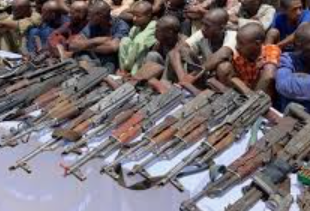
Prosecutors claim the scheme focused on arranging deals for many kinds of weapons – armored trucks, fighter jets, missiles, machine guns, bullets. Officials found that people in the group worked across borders, using layers of middlemen to push through multimillion-dollar trades.
Officials claim those charged looked to profit from global weapons trade, pulling gear from caches across Eastern Europe while setting up deliveries to conflict zones. Libya showed up in probes, so did Sudan, plus its southern neighbor, alongside Iraq and Iran. The trail led through nations where tensions run high.
Later, officials uncovered fake papers meant to hide where the guns were really going. Instead of honest details about who would receive them, the group gave twisted facts to slip past trade rules. Prosecutors in the UK said success might have sent gear into zones torn by war and suffering. Had things gone their way, dangerous tools could have reached unstable regions.


What unfolded in court stood out as a rare moment, showing how hard it is to follow weapon deals jumping borders. Officials called it among the biggest cases seen lately in the UK, tied to middlemen moving arms globally. Each step across countries adds layers, making oversight slip through cracks. One charge became a window into tangled systems working beyond any single nation’s reach.
After Gaddafi fell in 2011, Libya became an open route for smuggled weapons. Though global powers tried to block shipments, the nation still draws attention in probes looking at where guns might have gone. Arms deals floated in recent plans often point toward its borders. Enforcement exists on paper more than in practice there.


One step ahead, British authorities stressed their stance on those cashing in on war through banned arms trades. Jumping borders, investigators highlighted teamwork between nations as key to tracing the group’s moves and collecting proof far beyond one location.
Later, sentencing will happen for those found guilty. On another note, officials continue looking into others tied to the operation.

support@paulkizitoblog.com

support@paulkizitoblog.com http://paulkizitoblog.com

Leave a Reply

Your email address will not be published. Required fields are marked *

Recent News

Trending News

Editor's Picks

Swiss voters decide on population cap in referendum with implications for EU ties

On Sunday, Swiss voters headed to polling stations for a national decision that might change how immigrants enter the country. This vote may influence longstanding deals with the European Union. People considered setting a cap of 10 million residents. The outcome rests on whether limits are placed on future growth. A shift looms if numbers guide new rules. Choices made at ballot boxes carry weight beyond borders. support@paulkizitoblog.com

UK court convicts arms traffickers who sought to supply weapons to conflict zones, including Libya

One man found guilty alongside another after a UK court ruled on their part in moving high-powered guns toward war zones like Libya, officials told reporters. While neither acted alone, evidence tied both to plans aiming at delivery routes abroad. Though details emerged slowly, the case centered on gear meant for battle areas. Because rules prohibit such transfers, charges followed once links were confirmed. Since scrutiny increased lately, enforcement caught up with their efforts. After months of court hearings in Southwark, the accused were convicted. Their actions involved arranging secret arms trades. These deals aimed to move heavy military gear across borders. The shipments came from foreign vendors. Destinations included war zones, restricted regions, or places under global watch. Evidence showed clear violations of export laws. Judges concluded the operations bypassed critical controls. Each step had been carefully hidden. Authorities uncovered paper trails leading overseas. Witnesses confirmed coordination between buyers and middlemen. Charges covered multiple counts of illegal brokerage. Rulings emphasized the danger posed by such transfers. Final verdicts reflected the severity of the acts. Prosecutors claim the scheme focused on arranging deals for many kinds of weapons – armored trucks, fighter jets, missiles, machine guns, bullets. Officials found that people in the group worked across borders, using layers of middlemen to push through multimillion-dollar trades.Officials claim those charged looked to profit from global weapons trade, pulling gear from caches across Eastern Europe while setting up deliveries to conflict zones. Libya showed up in probes, so did Sudan, plus its southern neighbor, alongside Iraq and Iran. The trail led through nations where tensions run high.Later, officials uncovered fake papers meant to hide where the guns were really going. Instead of honest details about who would receive them, the group gave twisted facts to slip past trade rules. Prosecutors in the UK said success might have sent gear into zones torn by war and suffering. Had things gone their way, dangerous tools could have reached unstable regions. What unfolded in court stood out as a rare moment, showing how hard it is to follow weapon deals jumping borders. Officials called it among the biggest cases seen lately in the UK, tied to middlemen moving arms globally. Each step across countries adds layers, making oversight slip through cracks. One charge became a window into tangled systems working beyond any single nation’s reach.After Gaddafi fell in 2011, Libya became an open route for smuggled weapons. Though global powers tried to block shipments, the nation still draws attention in probes looking at where guns might have gone. Arms deals floated in recent plans often point toward its borders. Enforcement exists on paper more than in practice there. One step ahead, British authorities stressed their stance on those cashing in on war through banned arms trades. Jumping borders, investigators highlighted teamwork between nations as key to tracing the group’s moves and collecting proof far beyond one location.Later, sentencing will happen for those found guilty. On another note, officials continue looking into others tied to the operation. support@paulkizitoblog.com