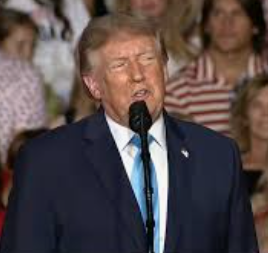
U.S. President Donald Trump signed an executive order on Thursday directing that Lake Ontario be renamed “Lake America,” the latest flashpoint in an escalating trade dispute with Canada.
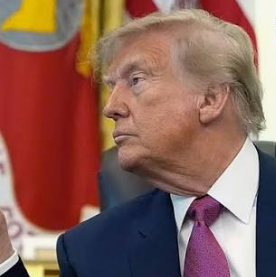
Speaking from the Oval Office, Trump said the order was effective immediately and instructed the Interior Department to update federal geographic records accordingly. He argued that because the lake’s deepest waters fall within U.S. territory, the United States holds claim to most of its volume, and described the lake as historically central to American settlement, commerce and defense.
Interior Secretary Doug Burgum, a former North Dakota governor, backed the move, saying that geographic features along the U.S. border should reflect the country’s stature. Asked what signal he intended to send Canada, Trump said there was no particular message behind the decision, though he went on to accuse Ottawa of longstanding unfair trade practices and said Canada wanted the benefits of statehood without the obligations.
The order follows weeks of rising tension between Trump and Canadian officials, including a public exchange of insults with Ontario Premier Doug Ford. It also comes amid a broader breakdown in trade talks between the two countries that has produced new rounds of retaliatory tariffs.
Canadian Prime Minister Mark Carney responded on social media, pointing out that the name Lake Ontario derives from an Indigenous Wendat term meaning “beautiful, great lake,” and predates both Canadian Confederation and American independence by centuries. U.S. lawmakers from border states also pushed back; Michigan Representative Debbie Dingell said the lake would continue to be known by its traditional name, describing Canada as a close ally rather than an adversary.
Legal experts note that while a U.S. president can rename geographic features for domestic federal use — as Trump did with the Gulf of Mexico, redesignated the “Gulf of America” in January 2025 — such orders carry no authority over how other nations or international bodies refer to shared waters.
Asked whether further renamings might follow, Trump suggested the idea could eventually extend to the Atlantic and Pacific oceans, calling it a possibility he would “think about.”