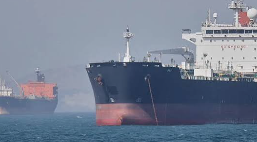
The U.S. military stepped up enforcement of its naval blockade against Iran over the weekend, redirecting a total of 55 commercial vessels away from Iranian ports as of Sunday, up from 35 just over a week earlier, U.S. Central Command said, with no resolution in sight to the standoff over the Strait of Hormuz.
CENTCOM said American forces disabled two vessels and boarded two others to enforce compliance, while allowing more than 30 ships carrying humanitarian aid to pass through unimpeded. The command noted that more than 20 U.S. warships remain deployed across the Middle East as part of the operation, including the USS Ross, and that fighter jets aboard the USS Abraham Lincoln continue standing by in a ready posture.
President Donald Trump described Washington’s posture toward Tehran as deliberately restrained for now, saying the U.S. is “low-keying it” rather than escalating militarily. Vice President JD Vance said separately that the administration is working to set up a safe-passage corridor for commercial shipping through the strait, even as pressure on Iran continues.
Tehran, for its part, has floated its own framework for reopening the waterway. Iranian state media reported last week that a draft plan under review by parliament would bar U.S. and Israeli-linked vessels from the strait altogether and require other nations to pay compensation before their ships could transit, with penalties for violators pegged at a fifth of a cargo’s value.
The dueling positions leave the blockade, now in its fourth month, without a clear diplomatic path forward. Iran has separately demanded a full U.S. troop withdrawal from the region, an end to the naval blockade, sanctions relief, war reparations and the release of frozen assets as conditions for restoring normal shipping — terms Washington has not formally addressed. Meanwhile, continued Iranian activity in the strait and Houthi attacks in the Red Sea have kept many shippers wary of both routes, compounding disruption to global oil markets that has persisted since the blockade began in April.