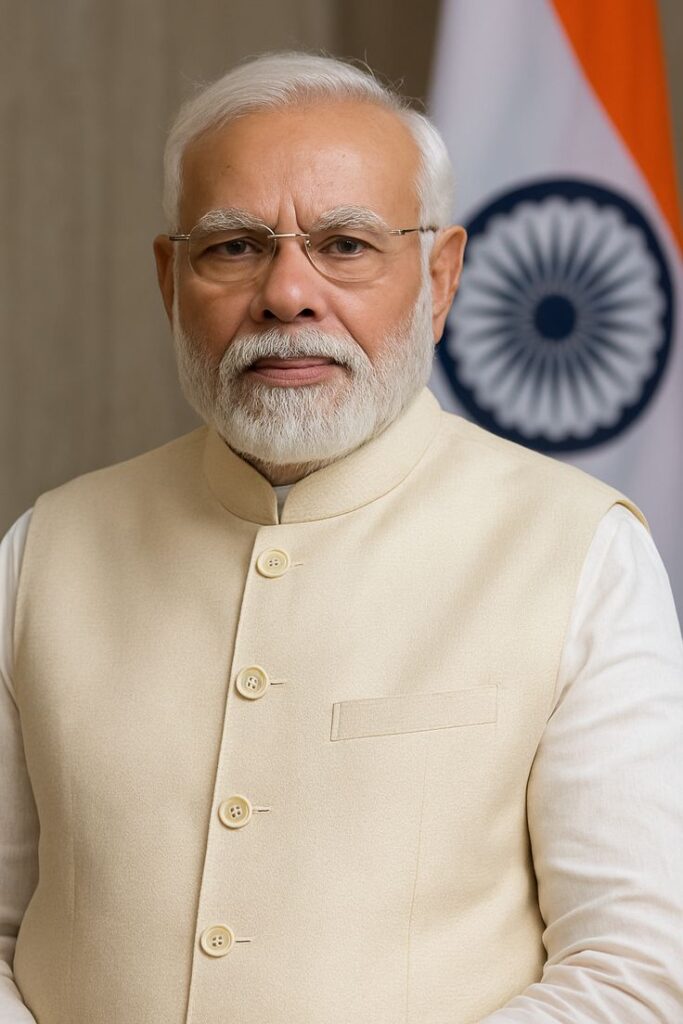
Prime Minister Narendra Modi on Monday spoke optimistically about India’s national trajectory, pointing to sustained economic growth, infrastructure expansion, and administrative reforms, even as large swathes of North India grappled with severe winter fog that significantly disrupted air, rail, and road travel.
Addressing senior officials and stakeholders at a high-level engagement, Modi praised what he described as steady progress across critical sectors, stressing that governance reforms and long-term planning were strengthening the country’s foundations. He reaffirmed the government’s focus on development-driven policies, improved service delivery, and national resilience.
However, the day’s agenda unfolded against the backdrop of exceptionally poor weather conditions, with dense fog enveloping the National Capital Region and neighbouring states from the early hours of the morning. Visibility dropped sharply in several locations, forcing authorities to activate emergency safety protocols across transport networks.
At Indira Gandhi International Airport, flight operations were heavily affected as low visibility made take-offs and landings difficult. Airlines reported widespread delays, cancellations, and diversions, advising passengers to monitor schedules closely. Rail services across northern corridors also experienced significant delays, while motorists faced slow traffic and heightened accident risks on highways.
Meteorological authorities attributed the disruption to seasonal atmospheric conditions typical of peak winter, though they warned that fog intensity this year has been unusually persistent. Advisory notices urged travellers to exercise caution and plan for extended delays as weather conditions remained unpredictable.
Despite the logistical disruptions, government officials maintained that essential services continued to function and that contingency measures helped limit broader systemic impact. Officials also noted that recent investments in airport navigation systems and rail safety technology played a role in preventing more serious incidents.
Analysts observing the day’s events pointed to the contrast between long-term national ambitions and the immediate vulnerabilities exposed by extreme weather. While India has made substantial gains in infrastructure capacity, seasonal disruptions such as dense fog continue to test operational readiness, particularly during peak travel periods.
As winter conditions persist, authorities are expected to maintain heightened alert levels across transport sectors. Meanwhile, the Prime Minister reiterated that temporary challenges would not derail broader development goals, emphasising preparedness, institutional coordination, and sustained reform as key to navigating both immediate disruptions and long-term national priorities.