
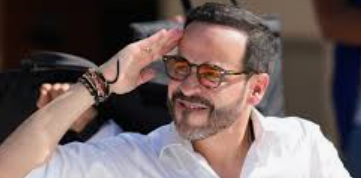
Out front now stands Abelardo de la Espriella, pulling ahead in Colombia’s push for a new president. His
rise? Fueled by promises to bring back safety, yet also shaped by sharp words aimed at gangs and illegal networks. While others hesitate, he pushes harder, framing crime as a challenge to be met head-on. Public attention sticks – drawn not just to slogans but to his firm posture. Though debates rage elsewhere, one thing holds: security shapes much of what voters hear. Behind every speech lies a message built less on hope, more on control. For many, that shift feels different. Not softer. Not vague. But edged with demand.
Bold on crime, much like Trump, the right-leaning contender moved forward. First-round results put him out front. A second vote looms since no clear winner emerged. His approach – sharp, loud, familiar – resonated fast.
Security worries have grown, so De la Espriella promises tougher moves on drug gangs, weapons networks, and violence. Because of this stance, people wanting harder lines on crime find his message fits their views.
Now comes the challenge against Iván Cepeda in a crucial final round. Public safety might take center stage, though how each man sees it will differ sharply. Economic choices ahead could shape much of what voters weigh. Peace plans once celebrated may get tested again under new pressure. What happens next depends less on promises than on clear directions offered.
Years down the line, how things unfold might hinge on what happens now – some watching closely believe it’ll shape both safety rules and leadership choices. A shift here may ripple through decisions yet to come.










