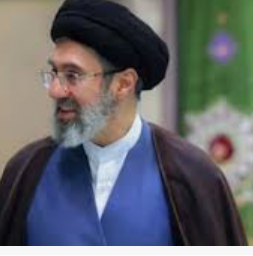
Iran’s reclusive new Supreme Leader Mojtaba Khamenei is alive and gradually re-engaging in the
country’s affairs, U.S. Secretary of State Marco Rubio told lawmakers on Tuesday, offering one of Washington’s clearest assessments yet of the man whose fate has hung as an open question over months of war and diplomacy.
Khamenei has not been seen in public since sustaining injuries during the opening American and Israeli strikes on Iran in late February — the same assault that killed his father, longtime Supreme Leader Ayatollah Ali Khamenei. He was named to the post on March 8, yet almost immediately vanished from view, fuelling persistent uncertainty over who truly holds authority in Tehran.
Speaking before the Senate Foreign Relations Committee in his first congressional testimony since the conflict began, Rubio said the indications coming through suggest Khamenei is re-engaging, though all contact has been indirect — conducted through written communications passed along by intermediaries.
The acknowledgement matters because it goes to the heart of a problem that has complicated every round of negotiations: whether the Iranian officials sitting across the table from American counterparts actually have the power to make binding commitments. Rubio’s answer, in effect, was no. He described a system in which negotiators carry proposals back to a governing council, wait for guidance, and only then respond — a cycle that typically consumes three to five days.
The remarks land at a delicate moment. Iran is said to be studying the latest American proposal to end the war, one that President Donald Trump recently tightened. Tehran, for its part, has signalled deep mistrust, accusing Washington of breaching ceasefire conditions, and has reportedly gone silent with American interlocutors for several days.
Whether a supreme leader communicating only in writing, through back channels, can ultimately authorise the kind of sweeping concessions a final agreement would demand remains the defining uncertainty of the entire diplomatic effort.