Hundreds dead as an aggressive Ebola strain spreads through northeast Congo, reaching across borders
into Uganda. Speed of transmission catches experts off guard. Outbreak rooted in Ituri Province resists containment efforts. Global health teams voice concern over complications tied to the virus variant involved.
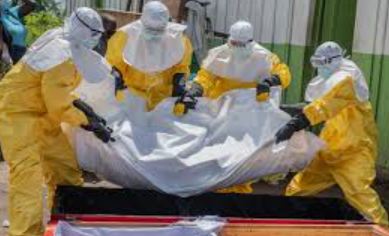
One day after officials logged the first report, the World Health Organisation raised its top-level alarm about the outbreak on May 16. By the end of May, more than 1,000 possible infections appeared in records, while lab tests verified 225 people sick, and deaths climbed to 349 minimum. Tracking every case proves tough when regions are isolated or torn by violence – so reality likely exceeds those numbers.
One reason this outbreak stands out is the type of virus behind it. Most past cases in the DRC came from the Zaire ebolavirus – the version researchers used when making current drugs and shots. This time though, it’s tied to Bundibugyo ebolavirus, an uncommon form that scientists know little about. The difference isn’t just lab talk – what doctors have counted on before might not work nearly as well now.
Across borders, the virus moved fast. In Kampala, infections turned up just as they did in North and South Kivu in DRC – a pattern spreading too wide to hold easily. A possible first sign appeared near the end of April. Yet Red Cross staff think three team members lost during May might have caught it even earlier, perhaps by late March, weeks ahead of any official alert.
What slowed things down early wasn’t just bad luck – lab work missed the mark at first since checks were built only for Zaire, leaving Bundibugyo unseen.
Out there, medics from Doctors Without Borders have sent in hundreds of team members. Fifty global responders are already moving into Ituri by themselves, while close to five hundred local hires join them on site. Equipment keeps pouring in – tens of thousands of protective gear sets now reach hard-hit areas fast.
Now beginning to tighten borders, the U.S. limits entries from Congo, Uganda, then South Sudan by funneling arrivals into select hubs where checks intensify. This shift hints strongly at concern over imported illness despite calm elsewhere, especially since debate flares around isolating returning citizens inside Kenya – a nation still reporting zero infections.
This outbreak marks the seventeenth time Ebola has surfaced in the DRC since 1976, arriving only five months after the previous one concluded.