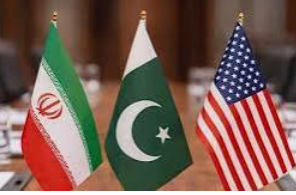
Pakistan’s Prime Minister Shehbaz Sharif announced on Friday that the United States and Iran have agreed on the final text of a peace deal, cutting through days of contradictory signals from both sides to declare that an end to more than 100 days of war is now within reach.
Sharif, whose country has served as the primary mediator throughout the conflict, said Pakistan is now working closely with both Washington and Tehran to finalise the next steps toward a formal signing. He directed his message at both the US and Iranian presidents, as well as other senior figures on both sides. “Peace has never been as close as it is now,” he said.
The announcement emerged as the framework being discussed is being referred to as the Islamabad Memorandum of Understanding — a nod to the Pakistani capital’s central role in brokering the agreement through months of painstaking shuttle diplomacy.
Iranian Foreign Minister Abbas Araghchi echoed the optimism on Friday, saying a deal had never been closer, while urging the media to hold back from speculating about its specific contents before it is formally signed. He indicated that the memorandum would be signed digitally in the coming days, after which its full terms would be released publicly. Tehran has been careful throughout the day to manage expectations and retain control of the narrative, with Iranian state media offering accounts of the deal’s terms that drew a sharp rebuke from President Trump, who insisted those reports bore no resemblance to what had actually been agreed in writing.
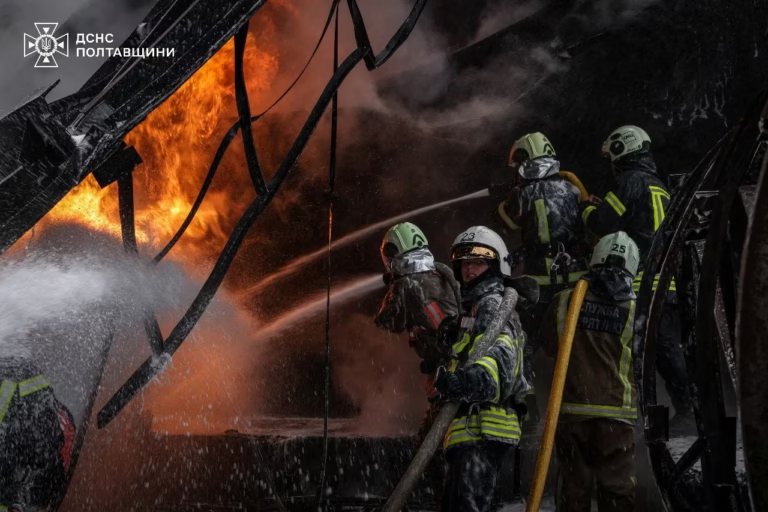
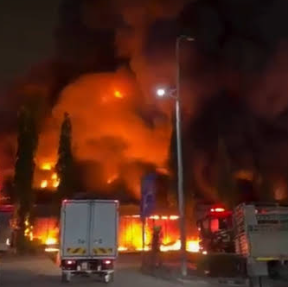
The path to this point has been turbulent. A ceasefire was first declared on April 8, brokered by Pakistan, but it proved fragile and was violated repeatedly by both sides. A US naval blockade of Iran remains in place and will not be lifted until a formal agreement is signed. The week leading up to Friday’s breakthrough was among the most volatile of the entire conflict — the US carried out two consecutive days of strikes on Iranian targets before Trump abruptly called off a third planned assault on Thursday evening, saying talks had reached and been approved by senior Iranian leadership.
The deal, as understood, would extend the existing ceasefire, reopen the Strait of Hormuz to international shipping — a waterway through which roughly a fifth of the world’s oil supply passes — and launch a structured 60-day negotiation on Iran’s nuclear programme.
The conflict began on February 28, when American and Israeli forces launched a sweeping joint campaign that killed Iran’s Supreme Leader Ali Khamenei and dismantled much of the country’s military and air defence infrastructure. What followed was more than three months of strikes, counter-strikes, a naval blockade, and a global economic shockwave driven by fears of prolonged disruption to Gulf energy supplies.
Whether Friday’s announcement translates into a signed agreement in the days ahead remains to be seen. The gap between public declarations and a finalized, binding deal has narrowed sharply — but in this conflict, that gap has closed and reopened before.