
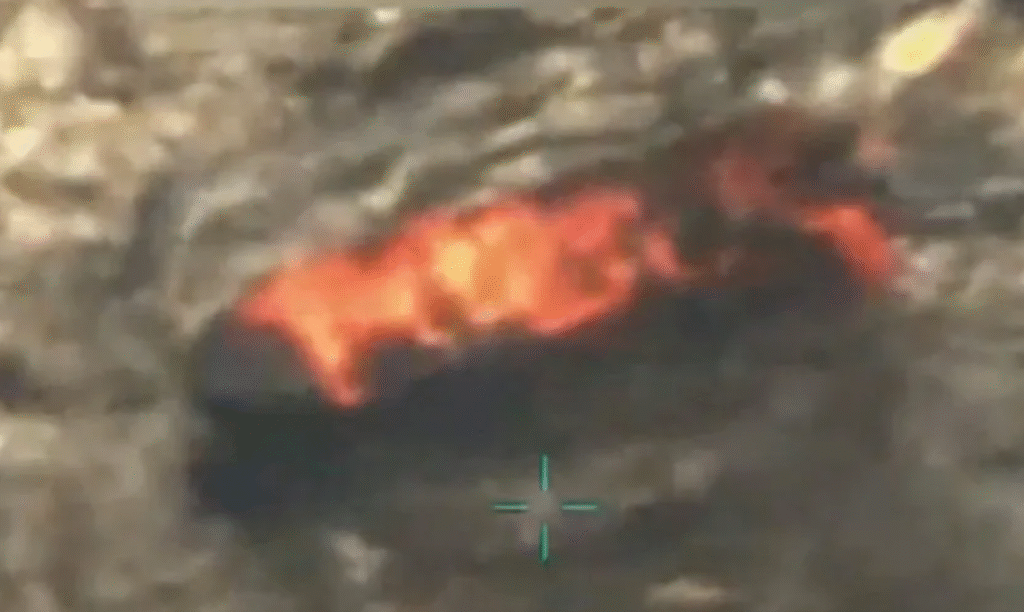
🌍 The Incident
On December 18, 2025, the U.S. military carried out strikes on two alleged drug-trafficking vessels in the Eastern Pacific. According to official reports, five individuals were killed—three aboard the first vessel and two on the second. The operation was conducted by Joint Task Force Southern Spear under U.S. Southern Command (SOUTHCOM), with authorization from Secretary of War Pete Hegseth.
🚨 The Bigger Picture
This strike is part of a broader campaign launched in September 2025 targeting suspected narco-trafficking operations across the Caribbean and Eastern Pacific.
- Casualties so far: Over 100 individuals killed.
- Objective: Disrupt drug cartels and networks labeled as “narco-terrorists.”
- Administration stance: President Donald Trump’s administration frames these actions as a hardline approach to combating drug trafficking.
⚖️ The Legal Debate
The strikes have sparked intense debate:
- Critics argue the U.S. is conducting extrajudicial killings in international waters without presenting evidence that the vessels were carrying drugs.
- Supporters claim the operations are necessary to dismantle dangerous networks that fuel violence and instability across the Americas.
- International law concerns: Maritime law typically requires interdiction and arrest rather than lethal force, raising questions about legality and precedent.
📊 Why It Matters
This campaign represents a significant shift in U.S. counter-narcotics strategy:
- From interdiction to elimination: Moving away from arrests and seizures toward direct military action.
- Regional impact: Latin American nations may view these strikes as violations of sovereignty, especially if their citizens are among the casualties.
- Global scrutiny: Human rights groups and legal experts are calling for transparency, accountability, and evidence to justify the use of lethal force.
🔮 Looking Ahead
The continuation of these strikes could escalate tensions in the region and reshape how the U.S. engages in counter-narcotics operations. Whether this approach proves effective—or legally defensible—remains to be seen.
References
- Al Arabiya English – US strikes kill 5 on alleged drug boats in Pacific
- WION News – US military strikes two more alleged drug boats in Pacific, death toll rises to over 100
- Military.com – U.S. Strikes Three Boats in the Pacific, Raising Legal and Evidentiary Questions About a Militarized Drug War
- CBS News – U.S. military hits 3 more alleged drug boats in Pacific, killing 8
- U.S. News & World Report (AP) – US Military Says 2 Strikes on Alleged Drug Boats Kill 5 in Eastern Pacific










