Khamenei laid in state in Tehran as week-long state funeral begins

Table of Content

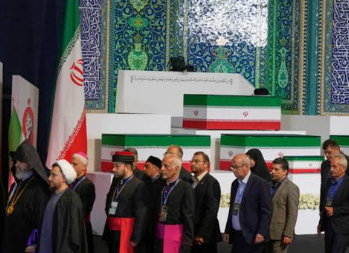
Iran’s Supreme Leader Ayatollah Ali Khamenei, killed at 86 in a US-Israeli air strike on his Tehran residence on February 28 at the start of a four-month war, was laid in state on Friday, July 3, at the Grand Mosalla prayer hall, drawing foreign delegations from over 100 countries.

His coffin — along with those of his daughter, son-in-law and young granddaughter, who died in the same strike — was displayed before crowds who chanted and beat their chests in mourning. Delegations from Russia, China, Iraq, Pakistan, Armenia and elsewhere attended, along with relatives of slain Hezbollah figures Hassan Nasrallah and Imad Mughniyeh. Khamenei’s son, Mojtaba, succeeded him as Supreme Leader in March but has rarely appeared in public since being wounded in the same strike.

Burial rites, delayed for months by the war, are scheduled to run July 4–9 across Tehran, Qom and Mashhad, with a final burial expected in Mashhad. Iranian security forces have locked down much of Tehran for the events, which come amid a fragile ceasefire and paused US-Iran negotiations. Analysts note the funeral doubles as a show of state strength at a moment when public support for the clerical establishment is described as thin, following years of sanctions and the deadly suppression of mass protests in January.

support@paulkizitoblog.com

support@paulkizitoblog.com http://paulkizitoblog.com

Leave a Reply

Your email address will not be published. Required fields are marked *

Recent News

Trending News

Editor's Picks

Khamenei laid in state in Tehran as week-long state funeral begins

Iran’s Supreme Leader Ayatollah Ali Khamenei, killed at 86 in a US-Israeli air strike on his Tehran residence on February 28 at the start of a four-month war, was laid in state on Friday, July 3, at the Grand Mosalla prayer hall, drawing foreign delegations from over 100 countries. His coffin — along with those of his daughter, son-in-law and young granddaughter, who died in the same strike — was displayed before crowds who chanted and beat their chests in mourning. Delegations from Russia, China, Iraq, Pakistan, Armenia and elsewhere attended, along with relatives of slain Hezbollah figures Hassan Nasrallah and Imad Mughniyeh. Khamenei’s son, Mojtaba, succeeded him as Supreme Leader in March but has rarely appeared in public since being wounded in the same strike. Burial rites, delayed for months by the war, are scheduled to run July 4–9 across Tehran, Qom and Mashhad, with a final burial expected in Mashhad. Iranian security forces have locked down much of Tehran for the events, which come amid a fragile ceasefire and paused US-Iran negotiations. Analysts note the funeral doubles as a show of state strength at a moment when public support for the clerical establishment is described as thin, following years of sanctions and the deadly suppression of mass protests in January. support@paulkizitoblog.com

Finding Your Way Back: Self-Care and the Path Through Depression

Depression doesn’t announce itself politely. It creeps into the small things first — the shower that feels like too much effort, the phone calls you keep meaning to return, the hobbies that used to bring you joy but now just sit there, untouched. For anyone who has lived through it, or is living through it now, one thing becomes clear fast: depression is not a mood you can simply decide to shake off. But it is something you can move through, with the right support, patience, and tools. support@paulkizitoblog.com

Getting Along Well, Sort Of: Inside the US-Iran Ceasefire’s Rocky First Two Weeks

Two weeks ago, the United States and Iran signed a memorandum of understanding meant to end a war that began on February 28, when the US and Israel launched surprise strikes on Iran. The deal opened a 60-day window to hammer out a permanent settlement — covering Iran’s nuclear program, sanctions relief, and the future of one of the world’s most important shipping lanes, the Strait of Hormuz. support@paulkizitoblog.com