Getting Along Well, Sort Of: Inside the US-Iran Ceasefire’s Rocky First Two Weeks

Table of Content

Two weeks ago, the United States and Iran signed a memorandum of understanding meant to end a war that began on February 28, when the US and Israel launched surprise strikes on Iran. The deal opened a 60-day window to hammer out a permanent settlement — covering Iran’s nuclear program, sanctions relief, and the future of one of the world’s most important shipping lanes, the Strait of Hormuz.

It has not been a quiet two weeks.

Late last week, an Iranian drone struck a Singapore-flagged cargo ship, the Ever Lovely, as it transited the Strait along a route that skirted Iranian waters and hugged the Omani coastline instead of the path Tehran had designated. Iran’s newly created Persian Gulf Seaways Management Organization had warned that vessels avoiding its specified route wouldn’t be guaranteed safe passage — a warning that, within hours, became reality.

The Pentagon didn’t wait long to respond. US Central Command launched strikes against Iranian drone and missile storage sites, along with coastal radar installations near the Strait and on Qeshm Island, calling it a direct response to “Iran’s aggression against commercial shipping.”

Iran didn’t back down. A Panama-flagged tanker was hit by another drone the following day. The US struck back again — this time hitting surveillance, drone, and mine-laying capabilities in southern Iran. Iran then launched drones and missiles toward US-linked targets in Kuwait and Bahrain; American officials said the projectiles didn’t reach their targets, but the message was unmistakable.

President Trump’s response, posted to Truth Social, was blunt: “There may come a point when we are no longer able to be reasonable, and will be forced to militarily complete the job that we very successfully started. If that happens, the Islamic Republic of Iran will no longer exist!”

Strip away the tit-for-tat strikes and the underlying dispute is straightforward: who controls the Strait of Hormuz, through which roughly 20% of the world’s oil and gas once flowed before the war shut it down.

The MOU requires Iran to make its “best efforts” to ensure safe, toll-free passage for commercial vessels for 60 days. But Tehran has made clear it isn’t willing to simply hand over control. Iran’s Foreign Minister said shipping would return to prewar capacity within 30 days — but “under Iranian management and the terms of the MoU.” Oman, meanwhile, has reportedly told European officials there’s no going back to the prewar status quo, and that fees for de-polluting or navigating the Strait may be coming. Washington has flatly rejected the idea of Iran or Oman charging tolls on the waterway.

As one Middle East analyst put it, Iran has shown it isn’t afraid to shut down Hormuz “when it wants to back Trump into a corner” — exposing just how unresolved the core disagreement remains, even with a signed agreement in hand.

By Sunday night, both sides stepped back from the escalating exchanges. Iran reportedly requested a meeting with US officials in Qatar, and shipping traffic rebounded — 40 vessels passed through the Strait by Monday, up from a Sunday dip. Oil prices, which had held remarkably steady throughout the flare-up, eased further: West Texas Intermediate settled around $70–71 a barrel, with Brent Crude at $73–75.

This week, Trump’s envoys — Steve Witkoff and Jared Kushner — spent two days in Doha meeting with Qatari and Pakistani mediators. No direct US-Iran talks have taken place yet; instead, discussions have focused on Iran’s $6 billion in frozen assets held by Qatar and on implementing the separate Lebanon ceasefire. Iran’s deputy foreign minister confirmed his delegation met with mediators but not with American diplomats directly.

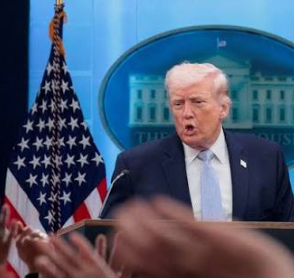
Asked about it Wednesday, Trump struck a notably calmer tone than his weekend Truth Social posts: “We hit them very hard for three nights, as you know, but we’re getting along very well.”

The whiplash — from “the Islamic Republic of Iran will no longer exist” to “we’re getting along very well” in the space of five days — is probably the clearest signal of how this ceasefire is likely to function over its remaining weeks. Analysts at Chatham House and the Atlantic Council both expect more of this pattern: flare-ups driven by unresolved leverage points, followed by pullbacks neither side actually wants to escalate past.

Neither Washington nor Tehran wants a full return to war. But neither is willing to concede the Strait of Hormuz question outright, either, and that tension is going to keep surfacing — probably repeatedly — over the 60-to-90-day negotiating window both sides are now operating under.

For now, oil is flowing, ships are moving, and the diplomats are talking. That’s more than could be said a week ago. Whether it holds is a different question entirely.

support@paulkizitoblog.com

support@paulkizitoblog.com http://paulkizitoblog.com

Leave a Reply

Your email address will not be published. Required fields are marked *

Recent News

Trending News

Editor's Picks

Finding Your Way Back: Self-Care and the Path Through Depression

Depression doesn’t announce itself politely. It creeps into the small things first — the shower that feels like too much effort, the phone calls you keep meaning to return, the hobbies that used to bring you joy but now just sit there, untouched. For anyone who has lived through it, or is living through it now, one thing becomes clear fast: depression is not a mood you can simply decide to shake off. But it is something you can move through, with the right support, patience, and tools. support@paulkizitoblog.com

Getting Along Well, Sort Of: Inside the US-Iran Ceasefire’s Rocky First Two Weeks

Two weeks ago, the United States and Iran signed a memorandum of understanding meant to end a war that began on February 28, when the US and Israel launched surprise strikes on Iran. The deal opened a 60-day window to hammer out a permanent settlement — covering Iran’s nuclear program, sanctions relief, and the future of one of the world’s most important shipping lanes, the Strait of Hormuz. It has not been a quiet two weeks. Late last week, an Iranian drone struck a Singapore-flagged cargo ship, the Ever Lovely, as it transited the Strait along a route that skirted Iranian waters and hugged the Omani coastline instead of the path Tehran had designated. Iran’s newly created Persian Gulf Seaways Management Organization had warned that vessels avoiding its specified route wouldn’t be guaranteed safe passage — a warning that, within hours, became reality. The Pentagon didn’t wait long to respond. US Central Command launched strikes against Iranian drone and missile storage sites, along with coastal radar installations near the Strait and on Qeshm Island, calling it a direct response to “Iran’s aggression against commercial shipping.” Iran didn’t back down. A Panama-flagged tanker was hit by another drone the following day. The US struck back again — this time hitting surveillance, drone, and mine-laying capabilities in southern Iran. Iran then launched drones and missiles toward US-linked targets in Kuwait and Bahrain; American officials said the projectiles didn’t reach their targets, but the message was unmistakable. President Trump’s response, posted to Truth Social, was blunt: “There may come a point when we are no longer able to be reasonable, and will be forced to militarily complete the job that we very successfully started. If that happens, the Islamic Republic of Iran will no longer exist!” Strip away the tit-for-tat strikes and the underlying dispute is straightforward: who controls the Strait of Hormuz, through which roughly 20% of the world’s oil and gas once flowed before the war shut it down. The MOU requires Iran to make its “best efforts” to ensure safe, toll-free passage for commercial vessels for 60 days. But Tehran has made clear it isn’t willing to simply hand over control. Iran’s Foreign Minister said shipping would return to prewar capacity within 30 days — but “under Iranian management and the terms of the MoU.” Oman, meanwhile, has reportedly told European officials there’s no going back to the prewar status quo, and that fees for de-polluting or navigating the Strait may be coming. Washington has flatly rejected the idea of Iran or Oman charging tolls on the waterway. As one Middle East analyst put it, Iran has shown it isn’t afraid to shut down Hormuz “when it wants to back Trump into a corner” — exposing just how unresolved the core disagreement remains, even with a signed agreement in hand. By Sunday night, both sides stepped back from the escalating exchanges. Iran reportedly requested a meeting with US officials in Qatar, and shipping traffic rebounded — 40 vessels passed through the Strait by Monday, up from a Sunday dip. Oil prices, which had held remarkably steady throughout the flare-up, eased further: West Texas Intermediate settled around $70–71 a barrel, with Brent Crude at $73–75. This week, Trump’s envoys — Steve Witkoff and Jared Kushner — spent two days in Doha meeting with Qatari and Pakistani mediators. No direct US-Iran talks have taken place yet; instead, discussions have focused on Iran’s $6 billion in frozen assets held by Qatar and on implementing the separate Lebanon ceasefire. Iran’s deputy foreign minister confirmed his delegation met with mediators but not with American diplomats directly. Asked about it Wednesday, Trump struck a notably calmer tone than his weekend Truth Social posts: “We hit them very hard for three nights, as you know, but we’re getting along very well.” The whiplash — from “the Islamic Republic of Iran will no longer exist” to “we’re getting along very well” in the space of five days — is probably the clearest signal of how this ceasefire is likely to function over its remaining weeks. Analysts at Chatham House and the Atlantic Council both expect more of this pattern: flare-ups driven by unresolved leverage points, followed by pullbacks neither side actually wants to escalate past. Neither Washington nor Tehran wants a full return to war. But neither is willing to concede the Strait of Hormuz question outright, either, and that tension is going to keep surfacing — probably repeatedly — over the 60-to-90-day negotiating window both sides are now operating under. For now, oil is flowing, ships are moving, and the diplomats are talking. That’s more than could be said a week ago. Whether it holds is a different question entirely. support@paulkizitoblog.com