🛢️ Key Facts
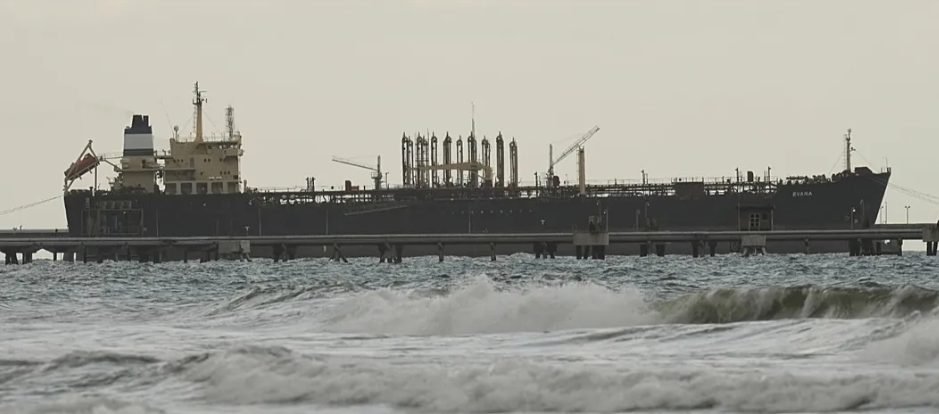
- Third interception in less than a week: The U.S. has already seized two tankers earlier this month; this would be the third.
- Linked to sanctions evasion: The vessel is reportedly part of Venezuela’s “dark fleet,” used to bypass U.S. sanctions on its oil exports.
- False flag allegations: Officials claim the tanker is sailing under a false flag and subject to a judicial seizure order.
- No boarding yet: The Coast Guard is shadowing the vessel, with aerial monitoring, but has not boarded it.
- Political backdrop: President Donald Trump recently ordered a “blockade” of sanctioned ships entering or leaving Venezuela.
- Venezuelan response: President Nicolás Maduro denounced the seizures as “theft and kidnapping,” vowing to escalate resistance and file complaints with the UN Security Council.
⚖️ Context & Implications
- U.S. Strategy: This pursuit is part of a broader campaign to choke off Venezuela’s oil revenues, which Washington accuses Caracas of using to fund crime and corruption.
- Regional Tensions: The U.S. has deployed significant naval resources to the Caribbean, raising the risk of confrontation.
- Venezuelan Position: Caracas argues the U.S. is attempting to “steal its resources” and has framed the seizures as acts of piracy.
- Global Oil Market Impact: Venezuela holds the world’s largest proven oil reserves, so disruptions in its exports could ripple through global energy markets.
📊 Comparison of U.S. vs. Venezuelan Narratives
| Aspect | U.S. Position | Venezuelan Position |
|---|---|---|
| Legality of seizures | Judicial seizure orders, sanctions enforcement | “Theft and kidnapping,” piracy |
| Purpose of action | Stop sanctions evasion, block “dark fleet” | Defend sovereignty, resist U.S. aggression |
| Oil revenue use | Funds crime and corruption | Essential for national survival |
| International framing | Rule-of-law enforcement | Appeal to UN Security Council |
🚨 Risks & Challenges
- Escalation: Continued seizures could trigger military or diplomatic retaliation from Venezuela.
- Global trade disruption: Oil markets may face volatility if Venezuela’s exports are further constrained.
- Legal disputes: Venezuela is likely to challenge U.S. actions in international forums, complicating enforcement.
This pursuit underscores the intensifying standoff between Washington and Caracas—a mix of sanctions enforcement, naval maneuvers, and political brinkmanship.