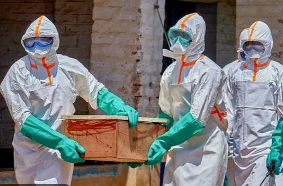
Congo’s health ministry confirmed 1,502 cases and 473 deaths in a situation update released Saturday, an increase of more than 40 new infections and 26 additional deaths from the previous day’s count. The outbreak, caused by the Bundibugyo strain and declared on May 15, remains concentrated across 34 health zones in Ituri, North Kivu and South Kivu provinces, with Ituri bearing the heaviest toll. The case fatality rate stands around 31%.
Health authorities are monitoring over 11,000 contacts, with 628 patients currently hospitalized or in isolation and 213-229 recoveries reported (figures vary slightly by source). WHO’s Regional Director for Africa, Mohamed Yakub Janabi, said the situation remains serious, and WHO experts note this is now the largest Bundibugyo Ebola outbreak ever recorded. The outbreak has also spread to Uganda, with 20 confirmed cases and 2 deaths there.
Response efforts face serious obstacles: violence broke out this week in the Nia-Nia health zone after residents refused to surrender a body believed to be an Ebola death for safe burial — protesters clashed with police, torched a treatment center, and let seven isolated patients escape (they remain missing). A police officer was killed and two protesters seriously injured in the unrest. Local officials describe widespread distrust, with some residents denying Ebola exists and others accusing aid groups of profiting from the crisis.
On the response side: donors have pledged $910 million to support Congo and Uganda, Congolese President Félix Tshisekedi has unveiled a $319 million national response plan, and Africa CDC convened a high-level meeting in Kinshasa this week to align political and international support behind containment efforts. WHO classified the outbreak a Public Health Emergency of International Concern back on May 17.