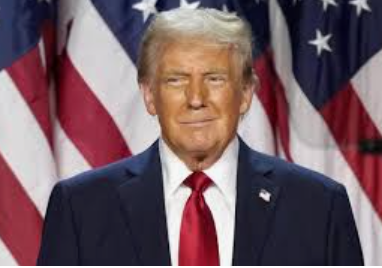
President Trump has issued a firm 15-day deadline to Iran to reach a new nuclear agreement with the United States, warning that failure to do so could result in military strikes.
Speaking to reporters, President Trump said Tehran must move quickly to finalize a deal that limits its nuclear activities. He emphasized that the United States is prepared to act if diplomacy fails, describing the coming days as “decisive” for regional security.
The ultimatum marks one of the strongest warnings yet from Washington since negotiations resumed over Iran’s nuclear program.
Rising Pressure on Tehran
The administration has increased both diplomatic and military pressure in recent weeks. Additional U.S. military assets have reportedly been positioned in the region, a move officials describe as precautionary but clearly intended to reinforce the seriousness of the deadline.
President Trump has long argued that previous nuclear agreements were too weak and failed to permanently block Iran’s path to developing nuclear weapons. His administration insists that any new deal must include stricter enrichment limits, enhanced inspections, and long-term guarantees.
Iran’s Position
Iranian officials have indicated that they remain open to negotiations but have rejected what they call “threat-based diplomacy.” Tehran maintains that its nuclear program is for peaceful purposes and insists on retaining the right to civilian nuclear enrichment.
Iran has also warned that any military strike would trigger retaliation, raising fears of a wider regional conflict.
Global Reactions
Governments across Europe, Asia, and the Middle East are closely monitoring the situation. Energy markets are particularly sensitive to developments, as any escalation could disrupt oil supplies from the Gulf region.
Diplomatic observers say the next two weeks will be critical. A breakthrough could ease tensions and stabilize markets. Failure, however, could move the crisis from negotiation tables to a far more dangerous phase.
For now, the world watches as Washington and Tehran approach what may be a pivotal moment in nuclear diplomacy.